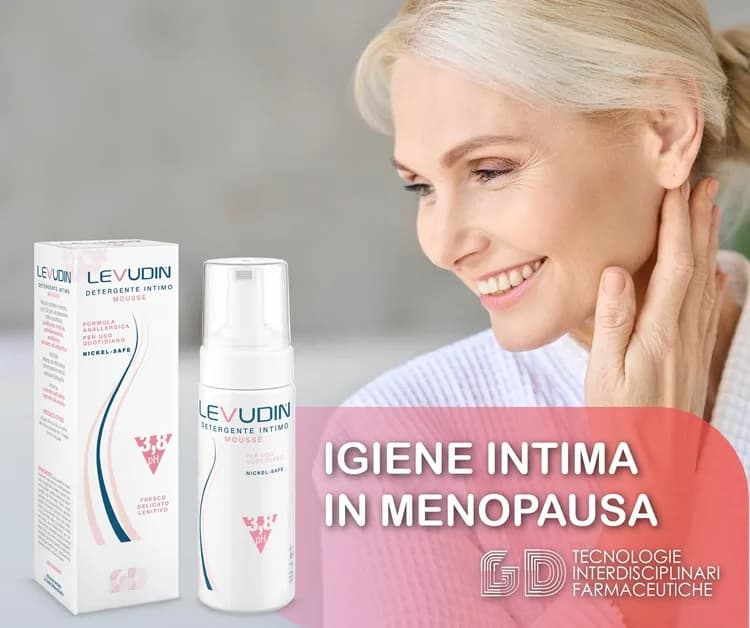
Menopause. Intimate hygiene to prevent discomfort and infections
Intimate hygiene during menopause is essential to prevent irritation and infections of the vulvovaginal area. Find out how to take care of it
Living through menopause calmly means listening to your changing body so you can get in tune with its new needs.
Among these, intimate hygiene plays a fundamental role.
The hormonal changes linked to this new phase of life can in fact affect the vulvovaginal ecosystem, causing changes and intimate discomfort such as dryness, itching or irritation and a greater predisposition to infections.
Choosing the right intimate wash therefore becomes essential to avoid imbalances that could cause or worsen these problems.
After menopause. How do the intimate areas change, and why?
At the root of the intimate problems typical of menopause is the sharp drop in oestrogens, the main female sex hormones, which play a crucial role in women's intimate health throughout their whole lives.
Oestrogens influence the wellbeing of the entire vulvovaginal ecosystem and of the flora that lives in it:
- they stimulate blood circulation in the vulvovaginal area
- they support natural lubrication
- they ensure tone and elasticity of the tissues.
- they help maintain an acidic vaginal pH, allowing an optimal balance of the vaginal bacterial flora.
An acidic pH, in fact, creates a favourable environment for the growth of "good" bacteria (such as Lactobacillus), which protect the vagina from infections, while preventing the proliferation of harmful bacteria and fungi.
So there is nothing strange if, once you have entered menopause, you start to feel discomfort you had never experienced before.
Vaginal dryness, irritation, itching, recurrent infections and even unpleasant intimate odour are much more common problems than you might think, all linked to the decrease in oestrogens.
But the fact that they are so widespread does not mean they should be neglected or ignored.
These symptoms, although common, should not be considered "normal" or inevitable.
It is essential to deal with them knowingly and, when necessary, to seek medical support.
With the right care, it is possible to significantly reduce this discomfort and live through menopause more calmly and comfortably.
Intimate hygiene during menopause. Practical tips
Maintaining proper intimate hygiene is essential for the wellbeing and balance of the vulvovaginal flora, especially during menopause, when the reduction in oestrogens makes the tissues more sensitive and vulnerable.
Adopting simple daily habits can help prevent discomfort such as dryness, irritation and infections, while avoiding some common mistakes protects intimate health in the long term.
Here are some practical tips for taking the best possible care of your intimate hygiene:
1. Intimate hygiene. The right wash, washing frequency and drying
During menopause, it is enough to wash the intimate areas once, or at most twice, a day.
Avoid frequent washing or washing too close together, which could upset the balance of the bacterial flora and deprive skin and mucous membranes of their natural defences.
The choice of intimate wash is crucial.
Opt for a wash specifically for the intimate areas, fragrance-free and with a neutral pH, since harsh or heavily perfumed cleansers can compromise the natural balance of the vaginal pH, encouraging dryness and irritation.
In the next paragraphs we will explain in detail how to choose a wash for menopause.
First, though, let's talk about the right water temperature.
It is essential to use lukewarm water, since water that is too hot can irritate sensitive skin, while cold water could cause excessive thermal stress to the vulvovaginal area.
After washing, dry yourself gently. Use a soft, clean towel to pat the area, avoiding excessive rubbing.
Thorough drying is essential to prevent moisture building up, which could encourage the growth of fungi or bacteria.
2. The right underwear
To keep the skin dry and allow it to breathe properly, we suggest choosing underwear made of natural fibres, preferably cotton.
Cotton absorbs moisture and lets the intimate area breathe, reducing the risk of fungal or bacterial infections.
Avoid synthetic underwear, which can trap sweat and heat, creating an environment that favours the proliferation of the bacteria responsible for intimate infections.
3. Mistakes to avoid
Many women turn to natural or DIY remedies to solve intimate problems, but it is essential not to improvise.
Some ingredients can worsen symptoms or cause allergic reactions.
In case of persistent irritation, dryness or other problems, it is always advisable to consult a gynaecologist or a professional in the field for an accurate assessment and advice on safe treatments suited to your situation.
Vaginal douches may seem like a quick fix to "clean" the inside of the vagina, but in reality they alter the natural vaginal pH and remove beneficial bacteria, creating an environment that favours the proliferation of bacterial or fungal infections.
The vagina has a natural self-cleaning system which, under normal conditions, does not need internal cleansing.
How to choose the best intimate wash for menopause
During menopause, choosing the right intimate wash becomes even more important to preserve the balance of the vaginal flora and prevent discomfort such as dryness, itching and irritation.
For this reason, it is essential to opt for a product with a physiological pH and a gentle formula free of harsh agents and enriched with soothing and moisturising ingredients.
An excellent solution is Levudin Detergente Intimo Mousse, whose innovative formula helps regulate the pH of the vulvovaginal environment, counteracts intimate infections and hinders the development of inflammation and dehydration.
Its combination of hyaluronic acid, usnic acid, extracts of thyme, myrrh, lavender, bilberry and tasmannia gives a pleasant feeling of freshness and comfort, turning cleansing into a daily wellbeing ritual.
In addition, its antibacterial and antifungal action helps limit the proliferation of bacteria and fungi such as Escherichia coli, Gardnerella vaginalis and Candida albicans, helping to prevent discomfort such as itching, unpleasant odours and irritation.
Choosing an intimate wash specifically for menopause means taking care of yourself gently and effectively, every day.
For any reports or complaints, please contact the owner of this website at the email address gdtif@gditalia.biz