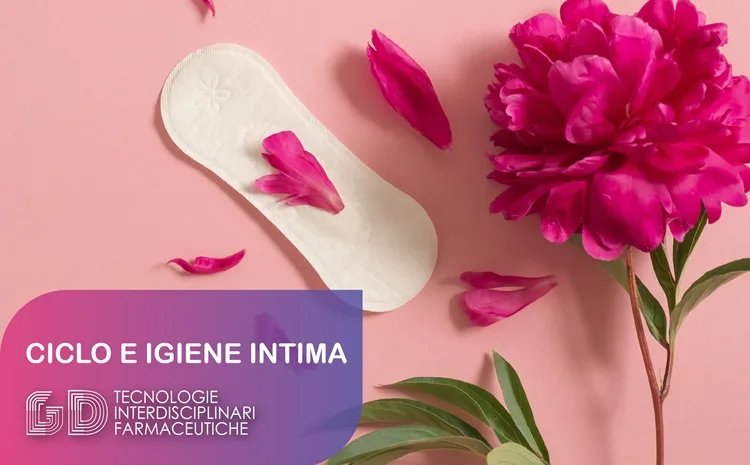
Intimate hygiene and your period: everything you need to know
Proper intimate hygiene during your period is essential to avoid irritation and uncomfortable infections
We are just young girls when we get our first period. Suddenly, everything changes: our body, our emotions, our everyday habits.
For some of us, the start of menstruation is something we have been expecting, announced in advance by our mum, who reassures us and explains what to do.
For others, perhaps those who develop earlier, it is a small shock that leaves them disoriented and curious to understand how to handle this new phase of life.
We find ourselves having to learn new habits, little rituals that at first can seem complicated or confusing.
Taking care of your intimate hygiene during your period is not just a matter of cleanliness: it is a way of listening to your body, respecting it and feeling comfortable, without judgement or anxiety.
In this article we want to guide you, step by step, with practical tips that are simple to follow every day.
Even when we are grown women, in fact, we may have doubts about choosing the most suitable cleanser during our period, how often to wash or how best to manage pads and alternative products.
Every body is different, every cycle is unique, and what works for one woman may not be ideal for another.
So we want to shed light on everything to do with intimate hygiene during your period: from small daily habits to choosing products, right through to tips for always feeling fresh, confident and comfortable.
Intimate hygiene during your period. How to feel comfortable when you are out and about?
During your period, it is natural to want to feel fresh and clean.
However, we do not always have a bathroom with a bidet to wash when we feel the need.
Our lives as adult women are often busy and hectic.
Younger girls spend much of their day at school or university, between lessons and exams, while adult women juggle work and family commitments that keep them rushing from one place to another without a break, perhaps getting home only late in the evening.
So how can you feel confident and comfortable even when you are away from home for many hours, without being able to have a full wash whenever you want?
How often should you wash during your period?
Let's dispel a common belief: even during your period, there is no need to wash constantly.
To keep the intimate area clean and prevent discomfort (even during those fateful days of the month), you only need two or three washes a day, no more.
Washing intimately more often, in fact, could be counterproductive.
Washing too often, especially with harsh cleansers, can even irritate the skin and upset the natural balance of the vaginal flora, exposing you to the risk of irritation or, worse, intimate infections.
So what can you do to stay comfortable even when you are out?
First of all, change your pads or panty liners regularly. Do not wait too long: leaving the same product on for hours can create a damp environment, which increases the risk of irritation or discomfort.
Yes, but how regularly?
It all depends on how heavy your flow is. In the first few days, when the flow is heavier, you may need to change the product every 3 to 4 hours, while on the last days you can wait a little longer.
The same (naturally) applies to tampons, preferred by those who want more freedom of movement or to play sport without worrying about leaks.
If you choose tampons, always remember to insert and remove the product correctly, following the instructions!
An extra tip for freshening up when you are out: try using gentle intimate wipes. They are convenient, practical and easy to carry in your bag wherever you go.
They do not replace the bidet, of course, but they can help.
Always choose gentle, fragrance-free products suited to the pH of the intimate area, so as to respect the vaginal flora and reduce the risk of irritation.
Intimate hygiene during your period. How to wash (and dry) properly
And when you finally have a bathroom available?
Then you can complete your intimate hygiene routine with a gentle wash. The aim is not to clean yourself “thoroughly” and vigorously, but to respect your body.
Remember to use lukewarm water and a gentle intimate cleanser, preferably with an acidic pH.
Once you have chosen the most suitable intimate cleanser, the next step is to use it correctly.
Washing with the right technique really does make a difference.
Apply the cleanser to the palm of your hand and gently massage the intimate area, always moving from the vulva towards the anus.
Why is this so important?
Because moving in the opposite direction (from the anus towards the vulva) could transfer bacteria from the anal area to the vagina, increasing the risk of irritation or intimate infections.
By using the correct movement, then, you protect the vaginal flora and maintain the natural balance of the mucosa, and you feel confident and fresh all day long, even on the heaviest days of your period.
After applying the cleanser, rinse thoroughly with lukewarm water and pat dry gently with a clean cotton towel.
Drying is also very important.
Patting gently, without rubbing, helps avoid irritation and redness.
A clean cotton towel, meanwhile, ensures the area stays dry and protected, reducing the build-up of moisture that could encourage discomfort or bacterial growth.
Intimate cleanser for your period. How to choose the right one
Choosing the right intimate cleanser is essential for maintaining the balance of the vaginal flora, preventing discomfort and ensuring everyday wellbeing.
A good intimate cleanser to use during your period should have a few key features:
- Acidic pH (around 3.8 to 4.5): to respect the natural balance of the intimate area and prevent unwanted bacterial growth;
- Gentleness: formulated with soothing and emollient ingredients to protect the mucosa without irritating it;
- No fragrance or harsh substances: to reduce the risk of allergies and discomfort;
- Antiseptic or anti-inflammatory properties: useful for preventing irritation or slight redness, especially during your period;
- Easy everyday use: suitable for frequent washing without upsetting the vaginal flora.
Among the options that meet these criteria, we suggest LEVUDIN DETERGENTE INTIMO, with emollient, soothing, anti-inflammatory and antiseptic action.
Its innovative formula combines effectiveness and gentleness, respecting the natural balance of the vaginal flora and protecting the mucosa from irritation and discomfort.
Among the features that make this intimate cleanser particularly suitable during your period too:
- Acidic pH (3.8): helps maintain the natural balance of the intimate area, preventing the growth of unwanted bacteria;
- Soothing and emollient action: thanks to gentle ingredients such as hyaluronic acid, LEVUDIN intimate cleanser helps keep the skin soft and hydrated;
- Antiseptic and anti-inflammatory properties: ingredients such as usnic acid and plant extracts of thyme, myrrh, lavender, bilberry and tasmannia help reduce irritation and protect the intimate area from discomfort and slight redness;
- Gentle and fragrance-free: suitable even for the most sensitive skin, its formula, free from harsh or irritating substances, minimises the risk of allergies and discomfort.
- Counters itching and unpleasant odours: its targeted antibacterial and antifungal action helps prevent infections of the genitourinary tract and helps limit the growth of bacteria and fungi such as Escherichia coli, Gardnerella vaginalis and Candida albicans, countering itching, unpleasant odours and irritation.
Thanks to these features, LEVUDIN becomes an everyday ally for women who want lasting comfort even on the heaviest days of their period.
Underwear during your period. Comfort and choice of fabrics
We wear it all day long, in direct contact with our most delicate areas.
That is why underwear deserves extra attention, especially during your period, when the skin may be more sensitive to any stimulus, even the simple rubbing of fabric or prolonged contact with a fabric that does not breathe well.
Choosing the fabrics and styles of your underwear, then, is not just a matter of looks: it directly affects comfort, breathability and even the prevention of intimate discomfort.
What is best to wear during your period?
To be on the safe side and avoid discomfort, it is best to choose briefs or knickers that meet these criteria:
- Natural fibres, ideally 100% cotton: cotton is the most breathable fabric and the gentlest on the skin. Its main feature is that it reduces moisture, creating a drier environment that is less favourable to the growth of bacteria and fungi;
- If you do not have cotton underwear, avoid synthetic fibres anyway: materials such as nylon or polyester may be pretty and stretchy, but they trap heat, encourage sweating and do not let the skin breathe. If you really do not want to give up an attractive garment, it is best for these materials to be only on the outside, with the inner gusset always in cotton;
- Comfortable styles that are not too tight: the fit of your underwear also matters. The ideal is to go for classic briefs or culottes that do not squeeze, allowing freedom of movement. Styles that are too tight or have stiff seams can cause chafing
Intimate hygiene during your first periods. Tips for teenagers
As we said at the beginning, the first period often arrives suddenly, at an age when everything is new and constantly changing. Girls are not always prepared for it: they may feel disoriented, embarrassed or even frightened.
In reality, with a few simple habits, looking after your intimate hygiene during your period becomes natural and part of everyday life.
This short section is therefore dedicated to our youngest readers and to mums who want to support their daughters through this time of transition, with practical suggestions and useful guidance on intimate hygiene during the first periods.
Here are our tips for younger girls:
- Simple, gentle washing: lukewarm water is enough and, if needed, a specific intimate cleanser with an acidic pH and a gentle formulation. There is no need for constant washing or harsh products.
- Change pads regularly: in the first few months your period may be irregular and the flow variable. It is best to always carry a spare pad in your rucksack or bag and remember to change it every 3 to 4 hours.
- Intimate wipes when you are out: useful when there is no bathroom with a bidet available. They should be gentle, with no fragrance or alcohol.
- Comfortable cotton underwear: simple, breathable briefs that are not too tight help you feel comfortable and avoid discomfort.
- No need to panic about leaks: leaks can happen, especially the first few times, but also when you are older. There is nothing to be ashamed of! Carry a spare pair of knickers or an extra pad so that you can change when you need to, without having to interrupt your day.
💡 A tip for mums: supporting girls through this phase with simple explanations, without taboos, helps them experience periods as a natural process and not as something to be ashamed of.
Is it normal to have an unpleasant odour during your period?
Periods bring many changes with them.
As well as typical symptoms such as bloating, cramps or mood swings, you may also notice (when changing your pad or washing) a different odour coming from the intimate area.
This, especially when you are not yet familiar with your menstrual cycle, could raise doubts or concerns.
However, we want to reassure you.
A slight metallic smell, due to the presence of blood, is completely normal during your period. It is not a “bad smell”, but a natural characteristic linked to menstrual flow.
If, however, the odour you notice is strong and unpleasant and comes with other symptoms such as burning, itching or unusual discharge, it could be a sign of an intimate infection.
In these cases it is important never to use DIY methods or home remedies, but to see a gynaecologist. Only a professional can assess the situation correctly, make a diagnosis and then suggest the most suitable treatment.
To prevent unpleasant odours during your period, small daily habits are enough: change pads or tampons regularly, choose breathable cotton underwear, wash once or twice a day with a gentle cleanser with a suitable pH, such as LEVUDIN, and avoid harsh washing that can upset the vaginal flora.
For any reports or complaints, please contact the owner of this website at the email address gdtif@gditalia.biz