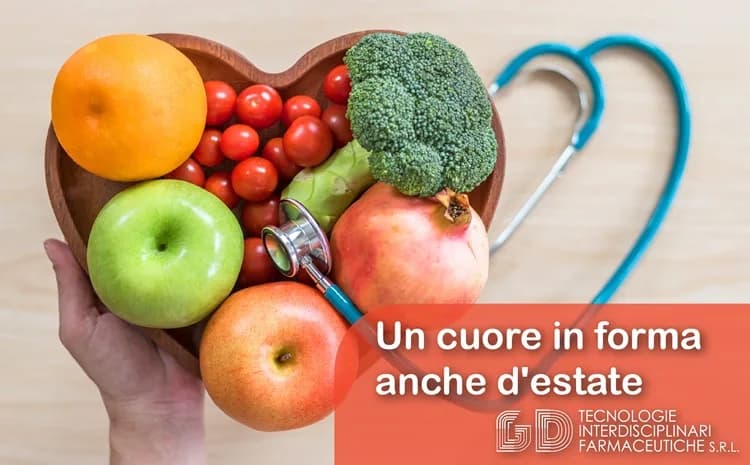
A healthy heart in summer. Tips for cardiovascular wellbeing
In summer our heart is put under great stress by heat and humidity. Find out how to look after your cardiovascular wellbeing
Summer. A time for endless days on the beach enjoying the sun to get the perfect tan, for sunset aperitifs as a couple or with friends, for trips and moments of relaxation to recover from a year of work and the daily grind.
But be careful.
This is also a time of year when our body, and in particular the cardiovascular system, is under considerable stress.
During the summer months, in fact, high temperatures and humidity can have a negative effect on our health, increasing the risk of dehydration, heatstroke and other cardiocirculatory problems, especially in people at risk.
Knowing how to take care of your heart and arteries is essential to enjoy the warm season and all the activities that come with it, from walks along the shoreline to mountain hikes, in complete safety.
In this article we will look together at the cardiovascular risks associated with high temperatures, the symptoms not to underestimate and the measures that can help us enjoy summer to the full, without negative consequences for our body.
What happens to the heart in the heat? Risks for the cardiocirculatory system in summer
Extreme heat and dehydration
The extreme heat typical of summer is one of the main causes of heart problems during this season.
When the thermometer rises, our body has to work harder to maintain a suitable body temperature, activating its thermoregulation mechanisms.
The main one of these mechanisms is sweating.
Sweating helps cool the body, but it also involves a significant loss of fluids and essential electrolytes such as sodium, potassium and magnesium.
Heavy, intense sweating, if not accompanied by adequate fluid replacement, can quickly lead to dehydration.
The resulting fluid imbalance has direct consequences for the cardiovascular system, with a genuine chain reaction.
What happens?
Because of the excessive fluid loss, the blood becomes thicker and more viscous. This makes circulation more difficult, forcing the heart to work harder to pump blood through the veins and arteries.
In addition, when we become dehydrated, the total volume of blood circulating in the body falls. This can lead to a drop in blood pressure and a reduced supply of oxygen and nutrients to tissues and vital organs.
All this puts enormous stress on the heart, which has to compensate for the reduced blood volume and increased viscosity by raising the heart rate and the force of its contractions.
The increased workload on the organ can be particularly dangerous for people with pre-existing heart disease and for the most vulnerable, such as the elderly.
Moreover, thicker blood also increases the risk of clots, or thrombi, forming, which can block blood vessels and lead to serious conditions such as heart attacks or strokes.
Effects of high temperatures on blood pressure
Heat also affects blood pressure in another way.
High temperatures, in fact, cause the blood vessels to dilate (vasodilation), another automatic mechanism our body uses to try to cool down.
This process helps dissipate body heat, but has the side effect of lowering blood pressure, because blood flows through wider vessels with less resistance.
In some people, this can cause hypotension, leading to symptoms such as dizziness, tiredness and fainting.
In addition, to compensate for the drop in blood pressure and maintain adequate blood flow to the vital organs, the heart may beat faster, putting itself under strain.
Heatstroke and cardiovascular consequences
In summer, on the muggiest days, we are more exposed to heatstroke (hyperthermia), a serious condition that occurs when the body is unable to regulate its internal temperature. When the body's natural heat dispersal mechanisms do not work properly, the internal temperature rises rapidly, which can impair the function of various organs, including the heart.
What are the symptoms of heatstroke?
- High body temperature (above 40°C),
- hot, dry skin,
- rapid breathing and/or heartbeat
- mental confusion
- cramps
- muscle weakness
- nausea and vomiting
- loss of consciousness
The rise in body temperature associated with heatstroke puts the heart under extreme pressure. In this state, in fact, the heart muscle has to work much harder to try to dissipate the excess heat. This extra effort can lead to fatigue that paves the way for various cardiovascular complications.
The people most at risk of heatstroke are the elderly, children, people with chronic illnesses (in particular those who already have heart problems) and those who exercise or work outdoors in the summer sun.
But we must remember that heatstroke can occur in a variety of situations, both outdoors and indoors, and even where there is no direct sunlight.
Diet and lifestyle: habits that put the heart at risk in summer
Environmental conditions (intense heat and humidity) are not the only factors that affect the function of the heart and arteries during the summer.
Our daily habits can also have a negative effect on the health of the cardiovascular system.
During the warm season, in fact, diet, lifestyle and levels of physical activity often change considerably.
When we switch into holiday mode, we usually allow ourselves to bend the rules: we pay less attention to our diet, eating more fatty and sugary foods and drinking more alcohol; we are less consistent with sport, because we want to relax...
But an irregular diet and excessive alcohol consumption increase the risk of dehydration and can cause blood sugar spikes that stress the heart and arteries, while less physical activity reduces the benefits that exercise and movement have on blood pressure and heart health.
A healthy heart in summer: symptoms not to underestimate
How can you tell that something is wrong and act in time?
Here are the symptoms to watch out for, which could indicate the onset of problems affecting the cardiocirculatory system:
- shortness of breath, breathlessness (dyspnoea)
- sudden light-headedness
- palpitations
- excessive sweating
- dizziness and unsteadiness
- swelling in the legs, ankles or feet
- cramps
- nausea and/or indigestion
Tips for a healthy, fit heart in summer too
Prevention is always the cornerstone of a healthy life, including when it comes to the heart and arteries.
In most cases, you do not need to turn your lifestyle upside down to stay well.
Rather, it is advisable to follow a few simple measures and make them part of your routine. Lots of small daily actions can really make a difference.
So what are the tips for protecting your heart and keeping it healthy, also and especially during the summer season?
1. Stay hydrated at all times
As we have seen, staying well hydrated is essential for the health of the heart and arteries, especially in summer when the body loses more fluid through sweating.
So you need to drink regularly, without waiting until you are thirsty. A useful strategy is to always keep a small bottle of water or a water bottle within reach, to sip from throughout the day.
And what if you find it hard to remember to drink?
There are dozens of apps developed for this purpose.
Just set a reminder and every few minutes (depending on your settings) you will receive a notification inviting you to drink your regulation glass of water.
Eating fruit and vegetables can also help you take in the right amount of fluids. Watermelon, melons, cucumbers and oranges are excellent allies for proper hydration.
Reminder: sugary drinks, alcohol and coffee don't count. These drinks can in fact increase fluid loss, encouraging dehydration.
2. Eat a balanced diet
A balanced diet is essential for keeping the heart healthy, because the right foods provide all the nutrients needed for the cardiovascular system to function properly.
Here are some suggestions for a healthy, balanced summer diet:
Eat small, frequent meals: You should eat light meals, including mid-morning and mid-afternoon snacks. Eating this way will help you avoid overloading your digestive system.
Eat more fruit and vegetables: fresh, water-rich foods help maintain hydration and provide essential vitamins and minerals.
Choose lean proteins: if you do not follow a specific diet (vegan or vegetarian), try to choose healthy protein sources such as fish, chicken and pulses. These foods provide a good amount of protein without too much fat.
3. Exercise, but in moderation
Regular physical activity has positive effects on cardiovascular health because it improves oxygenation, helps regulate blood pressure and keeps triglyceride and cholesterol levels under control. However, in summer it is important to exercise safely to avoid excessive stress on the cardiocirculatory system.
So yes to exercise, but in moderation.
Opt for moderate-intensity activities such as walking, swimming or yoga, in well-ventilated, shaded or indoor areas, so as to reduce direct sun exposure. Choose cool times such as early morning or evening, avoiding the hottest part of the day. Always wear suitable clothing, choosing light, breathable garments to help body heat disperse.
4. Try to rest well and manage stress
Adequate rest and good stress management are crucial for maintaining heart health.
Good-quality sleep, in fact, helps reduce blood pressure and stress on the heart. Taking short rest breaks on the hottest days can also help you maintain your energy balance and reduce stress on the heart. Try to keep a balance between work commitments and free time, avoiding stress overload.
5. Ask your doctor or trusted pharmacist whether ARTEDIN PLUS RETARD could be right for you
To cope with the challenges summer poses to our cardiocirculatory system, you can ask your doctor or trusted pharmacist whether a supplement such as ARTEDIN RETARD can help you.
ARTEDIN RETARD is a food supplement formulated with plant-based actives, vitamins and minerals such as:
• deodorised garlic extract, an antioxidant that supports the metabolism of triglycerides and cholesterol, normal blood pressure and the normal function of the cardiovascular system
• Ginkgo biloba, an antioxidant that supports normal blood circulation and microcirculation function, memory and cognitive function
• Olive (leaves), standardised in oleuropein, an antioxidant that supports carbohydrate and lipid metabolism, as well as normal blood circulation and normal blood pressure
• Folic acid which contributes to normal homocysteine metabolism, normal blood formation, normal amino acid synthesis and the reduction of tiredness and fatigue
• Vitamin C, which contributes to normal collagen formation for the normal function of blood vessels and increases iron absorption
• Vitamin E, as well as vitamin C, contribute to the protection of cells from oxidative stress
Please note:
This information is provided for informational purposes only and cannot constitute a diagnosis, the prescription of a treatment, or a substitute for direct contact with a doctor or a specialist visit. Always ask for the advice of your doctor and/or specialists.
For any reports or complaints, please contact the owner of this website at gdtif@gditalia.biz