Bromhidrosis: when body odour becomes a problem
Persistent, unpleasant body odour? It may be bromhidrosis, a condition caused by many factors. Discover the remedies
Sweating is normal. And it is healthy, too.
Sweat plays a vital role for our body: it helps regulate body temperature, preventing overheating, especially during physical activity or in the hottest periods of the year such as summer.
So sweating is not a sign of poor hygiene nor is it something to be ashamed of.
On the contrary, it is a sign that everything is working as it should.
We all sweat when we are well.
The problem arises when sweat comes with an unpleasant, persistent odour. In these cases we speak of bromhidrosis, a condition that can have a significant impact on the daily life of those who suffer from it.
Think, for example, of the embarrassment during a work meeting, when you feel watched or out of place because the sweat stains on your shirt are visible. Or of the unease that can arise in front of someone you are attracted to.
Perhaps you are sitting at a restaurant table on a first date and, instead of enjoying the moment, you are distracted by the fear of smelling bad.
If we think about the various situations of daily life, we realise that bromhidrosis is not only a physical problem, but a relational and emotional one too.
It can undermine self-confidence, cause stress and lead us to limit our participation in social occasions of all kinds, for fear of being judged.
In this article we will look at why sweat can “smell”, what can make body odour worse and, above all, which remedies are effective in controlling it.
“Why do I smell even though I wash?” What bromhidrosis is
Bromhidrosis is a condition characterised by intense, persistent body odour, often localised in specific areas of the body such as the armpits, feet and groin.
It is not dangerous.
But, as we have seen, it can be very bothersome and affect the social life and relationships of those who suffer from it.
But why does sweat, which should be a natural and useful mechanism, give off this smell in some cases?
To understand this, we need to take a closer look at how our body works.
There are two types of sweat glands: eccrine and apocrine glands.
Eccrine glands are the most numerous. They are found over almost the entire body surface, with a higher concentration on the hands, feet and forehead. They produce a clear, light, odourless sweat (made up mainly of water and mineral salts) which cools our body as it evaporates.
Apocrine glands, on the other hand, are far fewer and are located in specific areas of the body, such as the armpits, groin and urogenital area. Unlike eccrine glands, these glands produce a thicker, oilier sweat, rich in proteins and lipids.
It is precisely this particular composition that lies behind the problem we call bromhidrosis.
Note, however: the sweat produced by apocrine glands is odourless in itself.
So why do we give off an unpleasant smell?
The answer lies in the action of the skin’s bacterial flora. The bacteria naturally present on our skin feed on the substances contained in apocrine sweat (in particular proteins and lipids) and in doing so they produce volatile compounds responsible for the characteristic unpleasant odour.
This is why the areas most prone to bromhidrosis (that is, foul-smelling sweat) are precisely those with the most apocrine glands: armpits, feet, groin.
These areas offer the ideal environment for bacterial growth.
Bad body odour? The main causes of bromhidrosis
We have seen that bromhidrosis is based on a common mechanism: the transformation of the sweat produced by apocrine glands by the bacteria naturally present on our skin.
It is therefore a physiological process that affects us all.
And yet not everyone develops unpleasant body odour. Some people clearly suffer from it, others do not.
How is that possible?
The fact is that the smell of sweat depends on several factors, which often add up and make the situation worse. These are personal variables, linked to individual characteristics as well as to lifestyle or individual medical conditions.
Physiological factors that influence body odour
As with other conditions, one of the aspects to consider when it comes to body odour and bromhidrosis is genetic predisposition. The tendency to sweat more heavily or to produce sweat richer in nutrients for bacteria is often inherited, passed down in families, as can be the composition of the skin microbiota.
Age and hormonal changes also have a considerable influence.
During puberty, for example, the apocrine glands become more active under the influence of sex hormones. This is why, during the transition from childhood to adolescence, a body odour that was previously absent or much milder may appear or intensify.
The same can happen during menstruation, during pregnancy or when a woman enters menopause.
What you eat determines how you smell
You may already have noticed: diet also plays an important role in determining your body odour. In the case of bromhidrosis, foods such as garlic, onion, hot spices, alcohol and caffeine should be limited or avoided altogether.
Garlic and onion contain sulphur compounds that are released through the pores of the skin together with sweat. Spicy foods (seasoned with curry, paprika, chilli pepper, etc.), on the other hand, can stimulate sweating and help intensify body odour.
Be careful, too, with fatty or fried foods. These can also make the situation worse.
Medical conditions and medicines that can trigger bromhidrosis
Some diseases and medical conditions can cause or worsen bad body odour.
These include diabetes, a condition that leads to higher sugar levels not only in the blood but also in sweat.
This creates an environment very favourable to the growth of fungi and bacteria which, feeding on that excess sugar, multiply rapidly.
Another possible consequence of diabetes is an alteration of the skin’s pH, which makes it more susceptible to fungal and bacterial infections.
Hyperhidrosis, that is, excessive sweating, associated with both diabetes and obesity, makes the problem even worse.
Some medicines can also cause bromhidrosis. Think, for example, of penicillin, some antidepressants and various anti-cancer drugs.
Poor hygiene and the wrong clothing as causes of bromhidrosis
Of all the contributing causes of bromhidrosis, personal hygiene is perhaps the best known and, at the same time, the most misunderstood.
This is why we chose to discuss it only at the end: not to downplay its importance, but to avoid falling into the cliché that automatically associates bad odour with poor cleanliness.
In reality, as we have seen in detail, bromhidrosis is a complex phenomenon linked to many factors, often physiological and beyond our control.
Poor hygiene can encourage the growth of bacteria on the skin, particularly in the warmest and most humid areas such as the armpits, feet or groin. When the skin is not washed regularly, or clean clothes made from breathable fabrics are not worn, the environment becomes even more favourable to bacterial growth, intensifying the unpleasant odour.
However, it is important to stress that good hygiene alone is not always enough to eliminate the problem completely, because bromhidrosis often also depends on internal causes, such as hormonal imbalances or genetic factors. But taking care of personal hygiene is still a fundamental first step in reducing the impact of the odour and improving everyday well-being.
How to control body odour and prevent bromhidrosis
Tackling bromhidrosis means working on several fronts, acting on both the causes and the consequences of the unpleasant odour. Here are some useful strategies and practical tips to prevent and reduce the problem.
Careful, targeted personal hygiene
Washing the areas most prone to heavy sweating every day with gentle, specific cleansers helps to reduce the bacterial load.
It is important to avoid harsh products that can upset the skin’s natural balance and cause irritation.
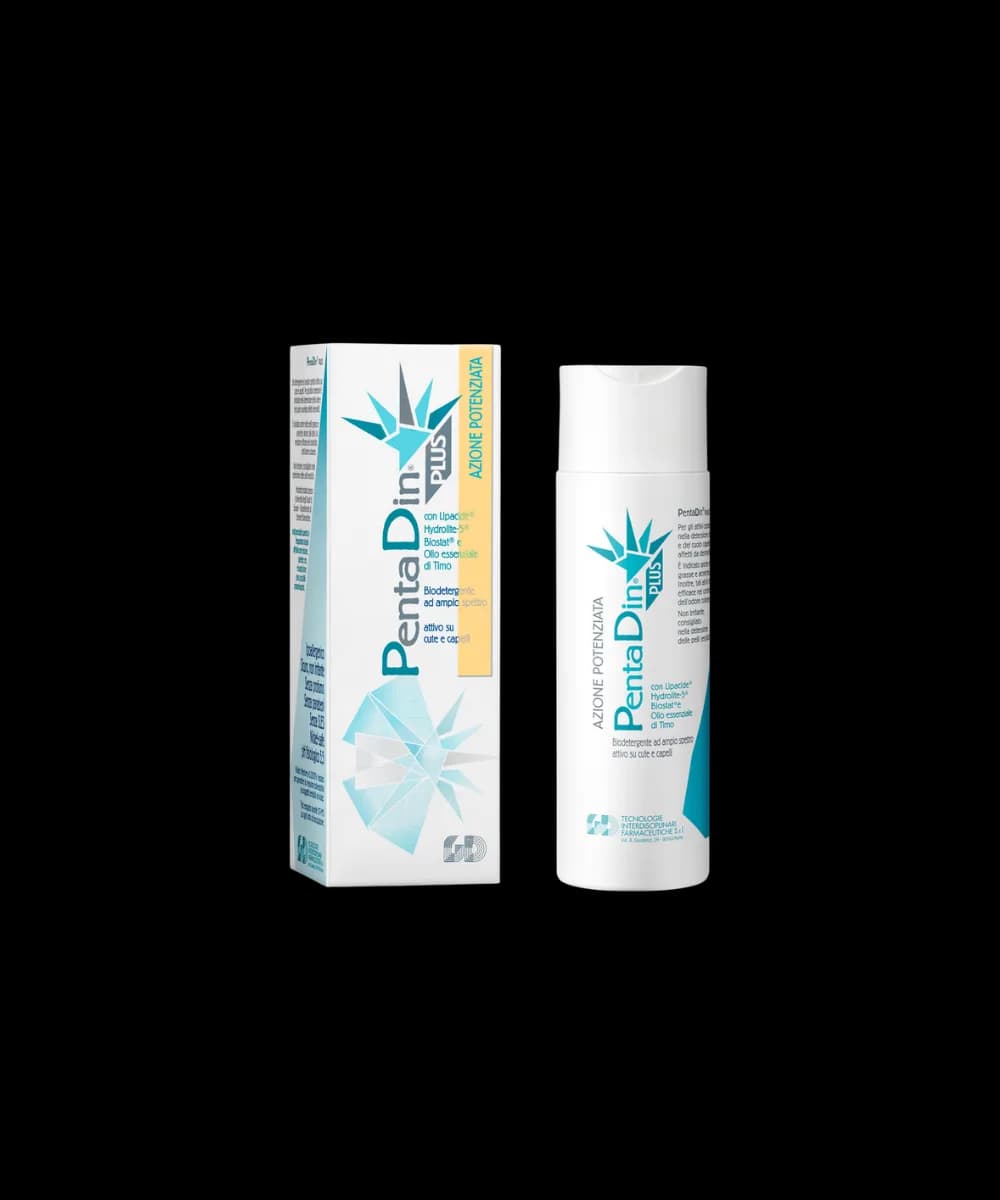
Instead, choose specific cleansers such as PENTADIN PLUS BIODETERGENTE, effective on the skin and scalp, with antibacterial and antifungal action.
It is a broad-spectrum product, formulated with active ingredients designed to effectively eliminate the microorganisms that cause bad odours, without damaging the skin barrier.
Using a targeted cleanser keeps the skin clean and protected, helping to control body odour effectively and gently.
In addition, good hygiene reduces the risk of irritation and inflammation, improving everyday comfort.
Choosing suitable clothing
Preferring natural fabrics such as cotton or linen, which let the skin breathe and help sweat evaporate, is a good strategy for limiting the effects of bromhidrosis.
As we have seen, synthetic or very tight-fitting materials trap heat and moisture, conditions that encourage the bacteria of the skin microbiota to multiply.
A balanced diet
The other piece of a strategy aimed at controlling body odour concerns what we put on the table. As we have seen, what we eat influences the composition of our sweat.
So it is a good idea to include in your diet plenty of water, which helps dilute sweat, and fruit and vegetables which can help improve its odour profile, while fatty and fried foods, heavy condiments, alcohol, caffeinated drinks and spicy foods should be avoided.
Specific products and topical treatments
Deodorants and antiperspirants are useful to control sweating and mask odour. Antiperspirants, in particular, work by reducing sweat production, while deodorants neutralise odour.
It is important, however, to choose products formulated with effective but gentle ingredients, as many harsh formulations can irritate the skin, worsening discomfort and inflammation. Excessive or incorrect use of these products can also upset the skin’s natural balance.
For this reason, it is always advisable to consult a dermatologist, who can recommend the product best suited to your needs and, if necessary, suggest specific topical treatments such as creams or lotions with antimicrobial or rebalancing active ingredients.
In more complex or persistent cases, there are also targeted medical or cosmetic treatments, but a personalised approach and professional guidance remain essential for managing bromhidrosis effectively.
For any reports or complaints, please contact the owner of this website at the email address gdtif@gditalia.biz