Back to the pool: watch out for infections
The swimming pool is an environment where it is easy to catch various infections such as fungi and verrucas. Here are some tips to avoid them!
The wait is over.
After going without dives and splashes for so long, we can finally go back to swimming in the pool. Swimsuit, cap, goggles and we're ready to jump in to train, play or exercise. Our enthusiasm for getting back in the water, however, must not make us forget that there are rules to follow to avoid catching annoying infections.
Certain particular conditions make swimming pool environments particularly prone to infection: the presence of many people at the same time, high temperatures and humidity are all factors that lead to the proliferation of fungi, viruses and bacteria.
The main swimming pool infections
Usually, when we talk about swimming pool infections, we tend to think of verrucas or fungi. In reality, however, there are several different types.
Fungal skin infections from the pool: what they are and how to tell them apart
The ones that most often send us to the dermatologist for advice are fungal skin infections, also called dermatomycoses. These are infections of the stratum corneum of the epidermis, caused by pathogenic fungi, microorganisms that cannot survive on their own and therefore colonise other living beings in order to feed on their organic material.
Fungal infection is encouraged and facilitated by high humidity on the skin, often caused by heat and excessive sweating, which alters the skin's physiological pH. This is why environments such as swimming pools (and gyms) can turn into "incubators" of fungal infections.
But there are also other factors that increase the risk of infection:
- Obesity
- Diabetes mellitus
- Excessive use of cleansers or use of harsh cleansers
- Prolonged treatment with antibiotics, corticosteroids or immunosuppressive drugs that compromise the immune defences
But what are the main fungal infections and how can you tell them apart? Let's look at them together.
Tinea pedis, or athlete's foot
One of the most common fungal infections is certainly Tinea pedis (ringworm of the foot), better known as Athlete's foot. As the name suggests, it is a type of infection that often affects sportspeople such as swimmers. More generally, we can say that this fungus attacks people with certain bad habits, such as wearing non-breathable shoes and socks or washing their feet too often, thereby altering the pH that protects the skin from external aggressors.
How can you recognise tinea pedis?
In the initial stage, the infection affects the area of skin between the toes, usually the space between the third and fourth toe or between the fourth and fifth toe. It can then spread to the other spaces between the toes, but also to the top of the foot and the nails. The skin is red and itchy and then tends to flake, with cracks appearing. Often, tinea pedis can also cause blisters and pustules to form on the soles and along the outer edges of the feet. Later, the skin becomes whitish and damp and gives off an unpleasant smell. The expert's advice is never to scratch, because rubbing could burst the blisters and lead to a subsequent bacterial superinfection.
Ringworm of the foot tends to become chronic. Although it is a superficial dermatomycosis affecting the upper layer of the skin, it can have extremely negative consequences for health and cause erysipelas of the lower limbs, an acute infection involving the deep dermis that presents with fever, chills and malaise.
Tinea inguinalis: infection of the groin folds
Another fungal infection not to underestimate is Tinea inguinalis or Tinea cruris. This fungal infection affects the groin and perianal folds, thighs and buttocks, and is encouraged by increased sweating in these areas of the body, which leads to maceration of the skin. It is more common in males, and transmission can occur through contact with an infected person (including sexually) or through self-inoculation, that is, by transferring infected fungal material from another fungal infection, for example of the foot.
What are the symptoms of Tinea Inguinalis?
This fungal infection appears as large red patches, a genuine erythema that is scaly and itchy, with a sharp edge, located in the groin area, which then tends to spread towards the thighs and buttocks. Blisters or papules often form along the edges, linked to inflammation of the hair follicles.
Onychomycosis: the nail disease
Brittle nails that tend to break and are misshapen and yellowish?
This brings us to Onychomycosis, the infection that is the enemy of toenails and fingernails. Onychomycosis is an extremely common nail disease that can affect both men and women, although the infection is more common among males. At least according to the statistics.
Pityriasis versicolor: patches of various colours on the skin
Less well known but just as annoying is Pityriasis versicolor, a superficial infection caused by a saprophytic yeast with an evocative name: Malassezia furfur. This yeast normally lives in the pilosebaceous follicle of the skin and is part of the community of microorganisms that colonise our skin, the so-called skin microbiota. Under certain conditions, however, it can become pathogenic and trigger an infection affecting the face, neck, trunk and the roots of the limbs.
How does it present?
Round patches of different colours (pink, brown, white) appear, depending on the stage the infection has reached. It is precisely this particular feature that gives the infection its name: versicolor, in fact, refers to the change in colour that occurs as the infection progresses. It can cause
Skin lesions of viral origin: verrucas from the pool
How many times, when going to the pool for a nice swim, have you got out of the water and walked away from the poolside without flip-flops? Well, if you have, you have exposed yourself to the possibility of catching a viral infection that leads to the formation of warts. Hands, feet, elbows and knees are where these lesions of viral origin, caused by the human papillomavirus, usually form.
What do warts look like?
They are skin growths with an irregular surface that is rough to the touch, a rounded shape and variable size. They could be mistaken for calluses, but there is a trick to tell them apart. If you press on a wart, you feel nothing. If you pinch it between two fingers, however, you feel pain. The virus often manages to enter through small wounds, tears or microtraumas, which are quite common in environments such as swimming pools, gyms or changing rooms. Usually, several weeks can pass between infection and the appearance of warts, which makes it difficult to treat the problem immediately.
Warts should not be underestimated. If you realise you have caught the infection, it is best to take action straight away. It is in fact possible to infect yourself, carrying the infection from one part of the body to another. In the case of contact with the genitals, condylomas may form.
There are various types of warts, depending on their appearance and location:
- Common warts, also known as verruca vulgaris: they usually spread through direct skin-to-skin contact. They usually form on the fingers, the backs of the hands and the face. They are rounded in shape with an irregular surface of bumps and hollows. Their colour tends towards grey or brownish-black. When touched, they feel hard and can be painful. Children are the most affected;
- Plantar warts (verrucas): as the name suggests, they form on the soles of the feet. Because they are subject to constant friction when we walk and stand, they are often painful. These warts look like flat calluses, but can be distinguished by the presence of a few black dots on the surface;
- Flat or juvenile warts: this type of wart forms on the face, hands, elbows and knees. Their surface is smooth, without irregularities. They are slightly raised above the skin and are skin-coloured or slightly darker. They are usually small and numerous.
Other swimming pool infections and irritations
It's not just the skin. In the swimming pool environment there is also a risk of catching other types of infection.
Swallowing water, for example, could lead to gastrointestinal infections caused by a parasite, cryptosporidium, which is resistant to the chlorine used to disinfect swimming pools. The symptoms of the infection resemble those of a stomach bug: nausea, stomach ache and diarrhoea.
The ears are also exposed.
In the pool we could come into contact with certain bacteria such as Staphylococcus aureus, which is behind the onset of so-called swimmer's ear. This is an inflammation of the ear canal whose symptoms are swelling, redness, impaired hearing with a muffled feeling, itching and otalgia, that is, ear pain. Otomycosis is, instead, an ear infection caused by contact with fungi.
Finally, take care of your eyes. Chlorine can irritate them and cause inflammation, especially in the case of light-coloured eyes, which are more sensitive. To avoid this kind of problem, it is advisable to always wear swimming goggles.
How can you prevent swimming pool infections?
As the saying goes, prevention is better than cure. To avoid unpleasant infections, just follow this short guide to good hygiene practices for when you want to go and enjoy yourself at the pool.
- When you walk along the poolside, never go barefoot. Your skin should not come into contact with the floor or the edges of the pool, where infected material could be deposited. You can't see them, but viruses and bacteria are lying in wait. You should not go barefoot in shared changing rooms or showers either. It is best to always use your own clean pair of flip-flops;
- Always follow the shower rules. Before getting into the water, you need to wet yourself and also dip your feet in the footbath filled with disinfectant liquid. When you get out of the pool, never forget to shower again. Avoid staying wet for too long and make sure you dry all parts of your body thoroughly, especially feet, hands, elbows and knees. Also, avoid staying in a wet swimsuit for too long. Moisture is one of the factors that encourage the growth of bacteria and fungi;
- A friend has forgotten their towel and you are thinking of kindly lending them yours? Better not. It is not advisable to share or swap flip-flops, towels, bathrobes or other clothing and accessories that come into contact with the skin, to avoid passing on an infection;
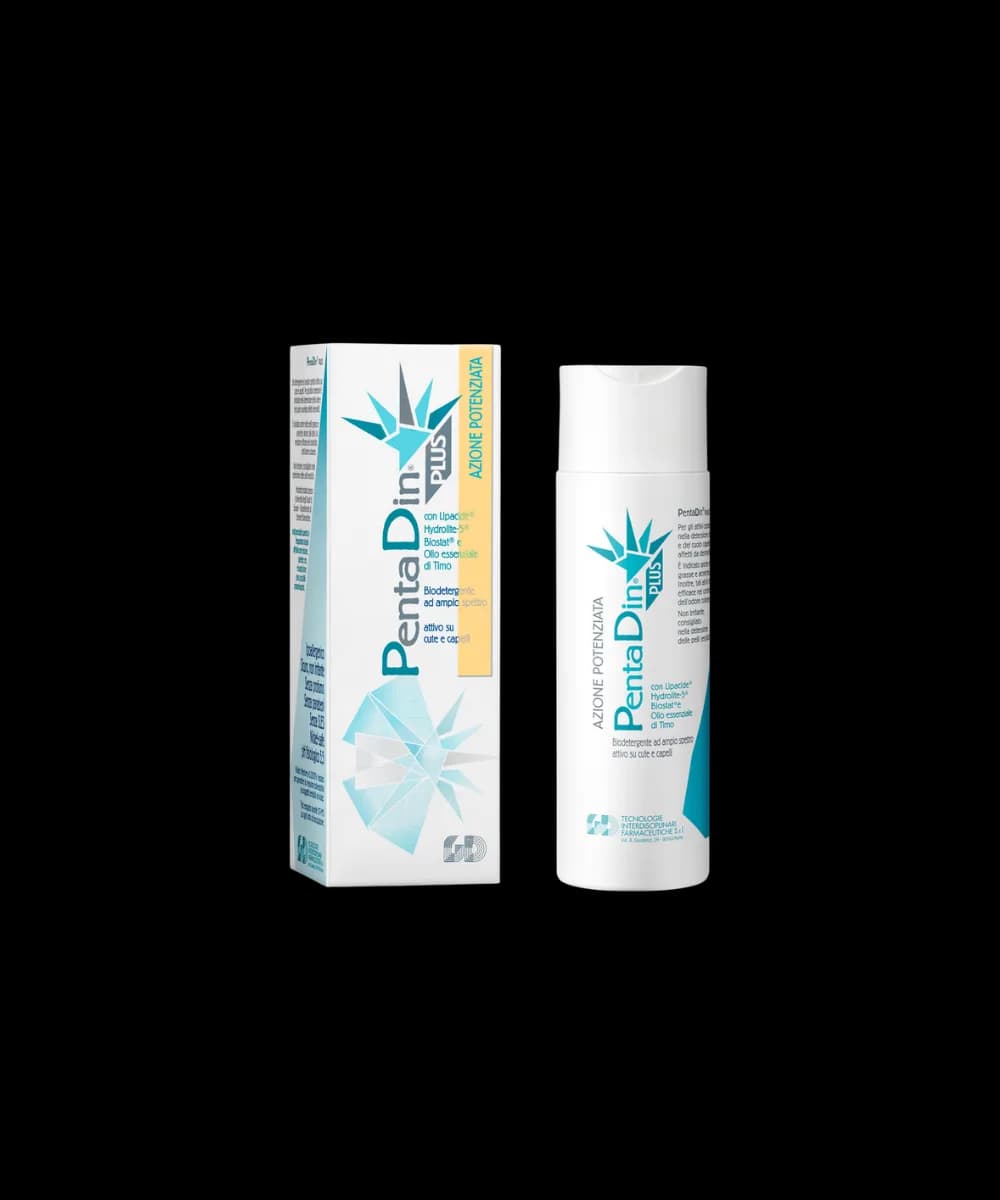
- Avoid washing too often and choose soaps with a slightly acidic pH. GD recommends using Pentadin Plus, a broad-spectrum biocleanser with antifungal and antimicrobial action, able to inhibit the growth of germs and bacteria, particularly suitable if you spend time in places where contamination is easy, such as gyms, swimming pools and public transport;
- When you get home, remember to wash and dry thoroughly all the clothes you used at the pool, including your swimsuit. For deep, safe hygiene, we recommend using Nevoxil detergent that releases nascent oxygen and sanitises clothes, acting against spores, fungi, cocci and bacteria.
- Be careful when choosing what to wear. It is best not to wear synthetic or very tight-fitting garments that prevent the skin from breathing, creating an environment favourable to the growth of fungi.
Treatment tips for swimming pool infections
If you suspect you have caught an infection, always consult an expert dermatologist before taking action. The specialist will be able to make a careful diagnosis of the skin infection or fungal infection and suggest the most suitable remedies for the specific problem identified.
At this stage, the pharmacist can also play an important role, suggesting various over-the-counter medicines available for treatment.
In some cases it is advisable to use a treatment based on topical antifungals of various kinds:
- Creams, if the infection is in a localised, hairless area of the body
- Ointments, for the drier parts of the body
- Sprays, very useful when treating hairy areas of skin and large areas of the body such as the back, shoulders and trunk
- Powders, which absorb sweat and moisture and are particularly suitable for the treatment of athlete's foot, or tinea pedis
- Medicated nail varnishes for the treatment of onychomycosis, the fungi that attack the nails
For the best result and complete recovery from the infection, treatment with topical antifungals must be consistent. If the infection comes back, it is likely that the treatment was stopped too soon, not that the medicine used is ineffective. You need to continue applying the product for a few days after the symptoms have disappeared, so as to ensure the fungi are eradicated and the spores that could cause re-infection are completely eliminated.
When applying topical products, care should be taken to spread the medicine not only on the area affected by the infection, but also on the surrounding area, so as to prevent the problem from spreading. There are usually no particular contraindications to the use of topical antifungal medicines. The only side effects reported, which are quite rare, are irritation and hypersensitivity reactions with burning, redness (erythema) and itching.
Oral medicines can only be prescribed by a specialist doctor and are usually used for very extensive infections, when the fungus has attacked not the skin but the internal organs, or when topical treatments prove ineffective for the type of infection contracted. Oral antifungals have more noticeable and troublesome side effects such as nausea, vomiting, diarrhoea, headache and skin rash. As well as fighting fungal skin infections, this type of therapy also affects the yeasts that live in the digestive tract, destroying them. The result is intestinal dysbiosis which, as we highlighted in an article dedicated to the gut microbiota (wrongly called bacterial flora), causes a wide range of disorders.
To treat warts, on the other hand, keratolytic products based on salicylic acid or lactic acid are used, which cause the epidermis to detach. These treatments must be used regularly and applied with some care, protecting healthy skin from contact with the product. Petroleum jelly can be used for this. Warts can also be removed with other techniques, for example by cryotherapy with liquid nitrogen or dry ice, laser therapy, diathermocoagulation or surgical excision.
Please note:
This information is provided for informational purposes only and cannot constitute a diagnosis, the prescription of a treatment, or a substitute for direct contact with a doctor or a specialist visit. Always ask for the advice of your doctor and/or specialists.
For any reports or complaints, please contact the owner of this website at gdtif@gditalia.biz