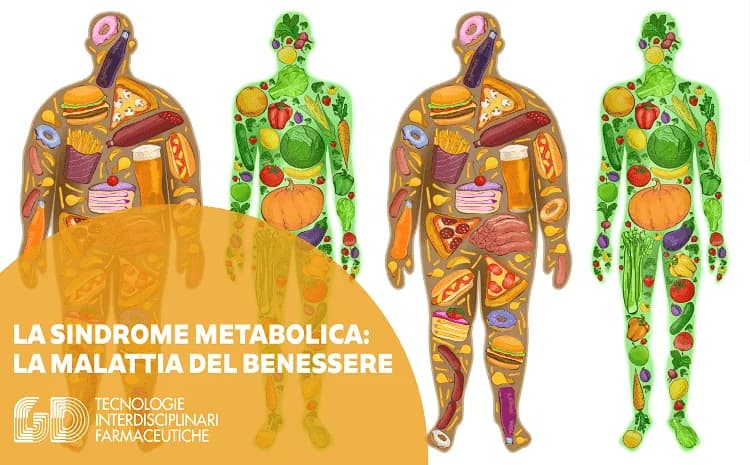
Metabolic syndrome, the disease of affluence
Metabolic syndrome is a particular condition that predisposes people to developing various diseases such as diabetes and heart problems.
It is also called the disease of affluence given how widespread it is in industrialised countries. In reality, however, metabolic syndrome is not a disease as such, but a particular clinical condition that predisposes people to developing serious health problems such as heart disease, diabetes and hepatic steatosis (so-called fatty liver), as well as various types of cancer.
As the name suggests, metabolic syndrome has to do with an alteration of our metabolism, in other words the set of biochemical processes that take place in our body and are essential for our survival.
Diagnosing metabolic syndrome
Specifically, we can speak of metabolic syndrome when three or more of the situations listed below occur:
- Increased waist circumference.
This means a waist measurement of more than 102 centimetres for men and 88 centimetres for women. Excess visceral fat is much more dangerous than subcutaneous fat because it can alter the release of hormones and release substances that cause systemic inflammation in the body;
- Blood pressure above 130/85 mmHg, which corresponds to a state of hypertension.
- Fasting blood glucose equal to or above 100 ml/dl, also defined as impaired glucose tolerance
- Very high blood triglycerides, with values above 150 ml/dl
- Low levels of HDL cholesterol, the so-called "good cholesterol", with values below 40 ml/dl for men and below 50 ml/dl for women
It should be stressed that metabolic syndrome (also called syndrome X or insulin resistance syndrome) works silently, without causing any particular symptoms. In short, people who have it often do not even notice.
They usually feel in perfect health.
In many cases, this condition is diagnosed following tests and medical checks carried out for other reasons.
It is precisely the absence of particularly obvious symptoms that means people realise metabolic syndrome is under way only when it is too late and a lot of damage has already been done.
It would therefore be wise to carefully monitor changes in your body, starting with your waistline, and to check your blood values at the right frequency. Blood tests in fact make it possible to identify abnormal values and indices, such as, for example, an excess of sugar in the blood that could be a sign of diabetes.
Causes of metabolic syndrome
Metabolic syndrome is partly caused by genetic factors.
But it is above all our lifestyle that puts us in a position to develop this problem. It is no coincidence that the syndrome is widespread in industrialised countries and is called the "disease of affluence".
Our way of living and eating has changed at a truly dizzying pace over the last 50 years.
There has been a huge increase in the consumption of industrial products, high-calorie and high-fat foods that have replaced healthier, more substantial ones. We have also seen a reduction in physical activity due to the spread of sedentary jobs, the widespread use of transport and urbanisation.
Incorrect lifestyle habits can seriously compromise our health in the long run. And metabolic syndrome is a glaring example of all this.
Age is also a risk factor. The more the years go by, the greater the likelihood of developing this condition.
According to statistics, one adult in four is affected by this condition.
Consequences and risks of metabolic syndrome
If action is not taken in time, metabolic syndrome can be behind the onset of a wide range of disorders, some of them very serious.
People who have it are twice as likely to develop cardiovascular disease that can go as far as stroke and heart attack.
The risk of developing type II diabetes, on the other hand, is five times higher.
According to studies, metabolic syndrome also seems to be linked to Obstructive Sleep Apnoea Syndrome, also known as OSAS, from the English Obstructive Sleep Apnea syndrome. This is a sleep-related breathing disorder that occurs when, while we sleep, breathing suddenly stops because of a total or partial obstruction of the upper airways (nose, pharynx and larynx).
Events of this kind can cause: faster heart rate, increased blood pressure and micro-awakenings. As a result, sleep loses its fundamental function, which is to let us rest and recover our energy. You feel more tired. You lose your patience more easily, even over things of little importance. You find it harder to concentrate. And, unfortunately, there is also a greater cardiovascular risk linked to the triggering of a series of mechanisms.
In Metabolic Syndrome the risk of kidney damage is also high.
How to treat and prevent metabolic syndrome
The best weapon against metabolic syndrome is prevention, which involves a radical change in lifestyle, aimed at keeping weight, waist circumference and blood triglyceride and cholesterol values under control.
First of all, it is good practice to make room in your routine for physical activity. Of course, there is no need to become a professional athlete, let alone spend hours and hours in the gym sculpting your body.
You need to start exercising gradually, without overdoing it, perhaps with the guidance of an experienced personal trainer who can recommend the most suitable type of training.
Physical exercise practised regularly in fact helps keep blood sugar stable, reduces insulin resistance, lowers blood triglyceride levels, raises HDL cholesterol ("good cholesterol") levels and reduces LDL cholesterol ("bad cholesterol") levels. It also helps prevent hypertension.
The aim is to reduce fat mass and increase and tone lean mass (muscles).
Small daily habits can lead us towards a more active and less sedentary life: taking the stairs instead of the lift; walking to run small errands near home instead of driving everywhere; allowing ourselves time for a short walk during the lunch break or in the evening after getting home from work; taking the dog for a walk in the park.
This, of course, must be combined with a healthy, varied and balanced diet from a nutritional point of view, in other words in the ratio between macronutrients (carbohydrates, proteins, lipids, fibre)
A tip to always keep in mind is to read labels carefully and learn to recognise the ingredients in the products we eat every day. Only then can we keep an eye on how much sugar we consume. Sugar is in fact present in a great many foods, not only in sweets and snacks, and it is easy to consume large amounts of it, partly because it is an addictive substance.
So watch out for yoghurts, fizzy drinks and also fruit juices (a source of added sugars), various types of sauces such as mayonnaise and ketchup, and breakfast cereals. Even foods sold as light, because they are low in fat, are often enriched with sugars.
Sucrose, glucose, lactose, fructose: sugar has different names and it is good to know them so you can manage how much of it you eat.
It is advisable to eat fruit and vegetables regularly, preferably fresh and in season, as well as pulses and wholegrains such as spelt, oats and barley, which are rich in fibre and have a low glycaemic index. On the other hand, you should limit foods high in saturated fat and cholesterol such as red meat, dairy products, sausages and cured meats.
Use salt in moderation, without cutting it out of your diet. Alternatively, you can use spices and aromatic herbs such as chives, basil, oregano, rosemary, sage, thyme, etc.
As for meal frequency, it would be best to divide the day into three main meals (breakfast, lunch and dinner) and two snacks so as to limit the blood sugar spikes caused by eating simple carbohydrates.
Alcohol and smoking also have an impact on Metabolic Syndrome. For this reason, it would be best to limit them.
Metabolic syndrome and OMEGA 3
Several studies have highlighted how omega 3, 6 and 9 fatty acids have extremely beneficial and positive effects on the health of the heart and arteries, considerably reducing the risk of developing cardiovascular diseases. These substances in fact have anti-inflammatory, antiarrhythmic and antithrombotic power and boast cardioprotective properties.
So, alongside the good practices just listed for the prevention and treatment of metabolic syndrome, you can also use OMEGADIN PLUS RETARD, a 100% vegan food supplement that combines the beneficial effects of the unsaturated fatty acids of the omega-3, omega-6 and omega-9 series of plant origin and of R.O.C., contributing to normal metabolic and cardiovascular function.
Thanks to its particular formulation, OMEGADIN PLUS RETARD can reduce and keep under control cholesterol and triglyceride levels in the blood, improve blood circulation and help reduce blood pressure. It can also hinder the build-up of fat inside liver cells, improving insulin resistance.
What makes this supplement special is that it is 100% vegan, also suitable for those who have made a specific dietary choice and decided not to eat foods of animal origin.
In the past, omega 3 and omega 6 fatty acids were obtained from fish oil, considered the best source of these invaluable resources.
Today, however, there is a completely plant-based alternative.
This is Ahiflower® oil, a refined oil obtained from the seeds of Buglossoides avernensis, extremely rich in essential fatty acids. This is the special ingredient we have chosen as the key active ingredient of OMEGADIN PLUS RETARD, which also contains R.O.C., Red orange complex, extra virgin olive oil, vitamin E, vitamin C and Selenium.
For any reports or complaints, please contact the owner of this website at the email address gdtif@gditalia.biz