Scalp psoriasis: how to care for your hair and scalp?
How should you care for your hair and scalp when you have psoriasis? Which products should you use? Find out in the article, click here
What is psoriasis and what are its symptoms?
At first it may seem like just a dandruff problem that persists over time.
After a while, however, you start to feel a slight itching on your head, in certain specific areas: at the hairline, near the neck and around the ears.
Then plaques appear: raised patches covered with whitish scales. These are the typical lesions of psoriasis, an inflammatory skin disease that often first affects the scalp.
The large plaques that characterise this condition are the result of an abnormal proliferation of skin cells, which multiply rapidly, causing the skin to thicken.
This is an autoimmune, chronic and progressive disease which, if not properly treated, gets worse over time, spreading to other areas of the body.
But why does scalp psoriasis appear and how can it be treated?
In this article we will look at the main causes, the differences from seborrhoeic dermatitis (another very common skin condition), how this disorder is diagnosed and ways of managing it with the right therapy and specific products.
Let's start with the causes.
The causes of scalp psoriasis
Despite studies and research, it has not yet been established what causes scalp psoriasis. We can, however, point to a series of factors and triggers that contribute to the onset of the disorder:
- genetics
- environmental factors
- psychophysical stress
- trauma (physical, chemical, etc.)
- skin infections that have affected the scalp
- immune system disorders
Several studies show that there is a genetic predisposition to psoriasis. As many as 52 genes, thought to be involved in the onset of the disease, are being studied by experts.
This means that if a family member has psoriasis, there is a high risk of having the same problem. In particular, the children of parents with psoriasis have a likelihood of developing the disease over their lifetime 10 times higher than other people.
Genetics plays an important role, but it is not enough.
It is the foundation on which environmental factors then act. In short, our lifestyle and the events that happen to us can encourage the onset of the disease or make the symptoms more acute.
For example, it has been shown that obesity can be a trigger: adipose tissue can release certain substances (cytokines) into the blood that switch on inflammation. In addition, this clinical condition can reduce the therapeutic effect of some drugs used to manage and treat psoriasis, causing the disease to take a negative course.
Both excessive alcohol consumption and cigarette smoking are factors that have an effect. These two substances accentuate a general state of inflammation in the body, which underlies the disease. What is more, excessive consumption of alcoholic drinks increases the risk of developing fatty liver disease and of experiencing the side effects of some drugs used in the treatment of psoriasis.
Then there is stress, which the WHO has called "the disease of the 21st century".
Excessive stress, especially if prolonged over time, weakens our body and makes it much more vulnerable to infections and diseases.
But psoriasis is closely intertwined with psychophysical stress.
In fact, while on the one hand high levels of stress contribute to the onset of the disease and to the worsening of symptoms such as redness and itching on the scalp, at the same time this skin condition has a strong psychological and emotional impact. People with scalp psoriasis feel ashamed and embarrassed about their appearance. They are afraid of being judged or of disgusting those who look at them because of the lesions that appear on their skin and the dandruff.
Naturally, experiencing such negative emotions causes further stress. This sets off an endless vicious circle.
To all these triggers we must add actual trauma to the skin. A burn, a laceration, a surgical scar or an accidental knock can cause scalp psoriasis in people who are already predisposed.
Telling scalp psoriasis from seborrhoeic dermatitis: the main differences
The classic symptoms of scalp psoriasis (itching, redness, scales, etc.) are not exclusive to this skin condition.
There are other skin diseases with similar manifestations.
Psoriasis can in fact be confused with seborrhoeic dermatitis, an inflammatory dermatosis that usually affects the parts of the body with the highest concentration of sebaceous glands, including the scalp, causing dandruff.
So how can you tell these two disorders apart?
The main difference lies in the colour and consistency of the scales that form on the scalp.
In seborrhoeic dermatitis, which is linked to excessive sebum production, these scales are much more yellowish and greasy, oily.
Diagnosing scalp psoriasis: you need to see a dermatologist
However, an untrained eye is unlikely to be able to identify the problem and act accordingly.
To avoid resorting to unsuitable therapies or ineffective remedies, if you suspect a skin condition affecting the scalp, it is best to see your trusted dermatologist, who can carry out a visual examination, assessing the symptoms and establishing the nature of the disorder.
Only a correct diagnosis can pave the way for correct treatment of the skin condition you have.
Scalp psoriasis and hair loss: what is the link?
People who find out that they have scalp psoriasis often fear that this condition may lead to hair loss.
"I have psoriasis, will I lose my hair?" some ask.
We want to reassure you on this point. Although psoriasis triggers annoying itching that makes you scratch your head, it is not a direct cause of hair loss.
However, the scalp disease may trigger a particular form of alopecia, called "psoriatic alopecia", which appears as a sudden thinning of the hair.
Why does this happen?
There are several reasons. In some cases, hair loss is linked to the detachment of the psoriatic plaque. In other situations, the loss is due to the mechanical stress to which certain areas of the head are subjected when topical products such as creams are applied to them.
Psychological factors also play an important role.
As we said earlier, psoriasis, with its very visible lesions, redness and flaking that covers the head with dandruff flakes, is a source of considerable embarrassment and discomfort. The emotional stress experienced is so strong that it can not only worsen the symptoms of psoriasis itself, but also cause massive hair loss (telogen effluvium).
Managing psoriasis on the head: which shampoo and conditioner to choose?
Scalp psoriasis has visible effects, changing the way we appear to others.
Many people therefore try to mask the signs of this skin condition, for example using camouflage make-up to hide redness or washing their hair more often to get rid of dandruff and make themselves more "presentable"
In this situation, taking care of hair and scalp hygiene is certainly important. But you need to pay close attention to how you do it and which products you use.
Not all shampoos on the market, in fact, are suitable for skin affected by psoriasis.
Many of these haircare products contain irritating ingredients or aggressive surfactants, which can be too strong for skin already compromised by the disease.
It is best, then, to choose a product with a gentle formulation that can cleanse deeply, counteracting dandruff without damaging the scalp and hair.
Tricodin Shampoo with Vegetable Tar, available only in pharmacies and parapharmacies, has exactly these characteristics.
The vegetable tar in the formulation of this shampoo has antiseptic properties and a descaling action, combating the formation of dandruff.
The protein hydrolysate, on the other hand, forms a protective film that coats the hair and makes it not only stronger, more resistant and more robust, but also soft and shiny.
Thanks to these ingredients, Tricodin Shampoo with vegetable tar is the ideal solution for those looking for a gentle yet effective product for cleansing a scalp affected by psoriasis.
How to wash, comb and style your hair if you have scalp psoriasis
The way we wash our hair also matters in managing scalp psoriasis.
Some gestures that would come naturally to us under the shower must be avoided at all costs. It is best, in fact, not to rub the scalp, because abrupt, careless movements could cause further trauma and psoriatic lesions.
Instead of rubbing, it is better to wet the hair first and then apply the shampoo with a light, gentle massage, followed by rinsing with plenty of lukewarm water.
To detangle the hair, you can use a gentle conditioner such as the one in the Tricodin line, with a silkening phyto-bioactive, which nourishes your hair while loosening even the most tangled and stubborn knots.
Drying is another important point.
Despite the convenience and speed of the hairdryer, if you have scalp psoriasis it is best to use it as little as possible. It should be used only for the final stages of drying, to avoid subjecting the scalp to excessive heat stress.
If you can, use the cold air setting. Otherwise, set a low temperature and remember to hold the hairdryer at least 30 cm away from your head.
Now let's move on to brushes and combs.
Here too, the watchword is maximum gentleness. So you should choose a brush with soft, natural bristles rather than one made of rigid plastic.
Some hairstyles can be more comfortable for managing the problem, while others could even make it worse. Avoid more complex or tight styles that pull and strain the hair. A short cut can help.
Treating scalp psoriasis: effective therapies and products
There are several effective therapies for treating scalp psoriasis.
For a mild form of this skin condition, the dermatologist may prescribe a treatment based on specific creams and lotions to be applied directly to the scalp.
In more severe cases, however, doctors suggest systemic drugs containing active ingredients such as methotrexate, retinoids and ciclosporin, or biological drugs.
Scalp psoriasis is also often treated with phototherapy, which involves exposing the patient to ultraviolet rays. The UV rays are produced artificially using special equipment.
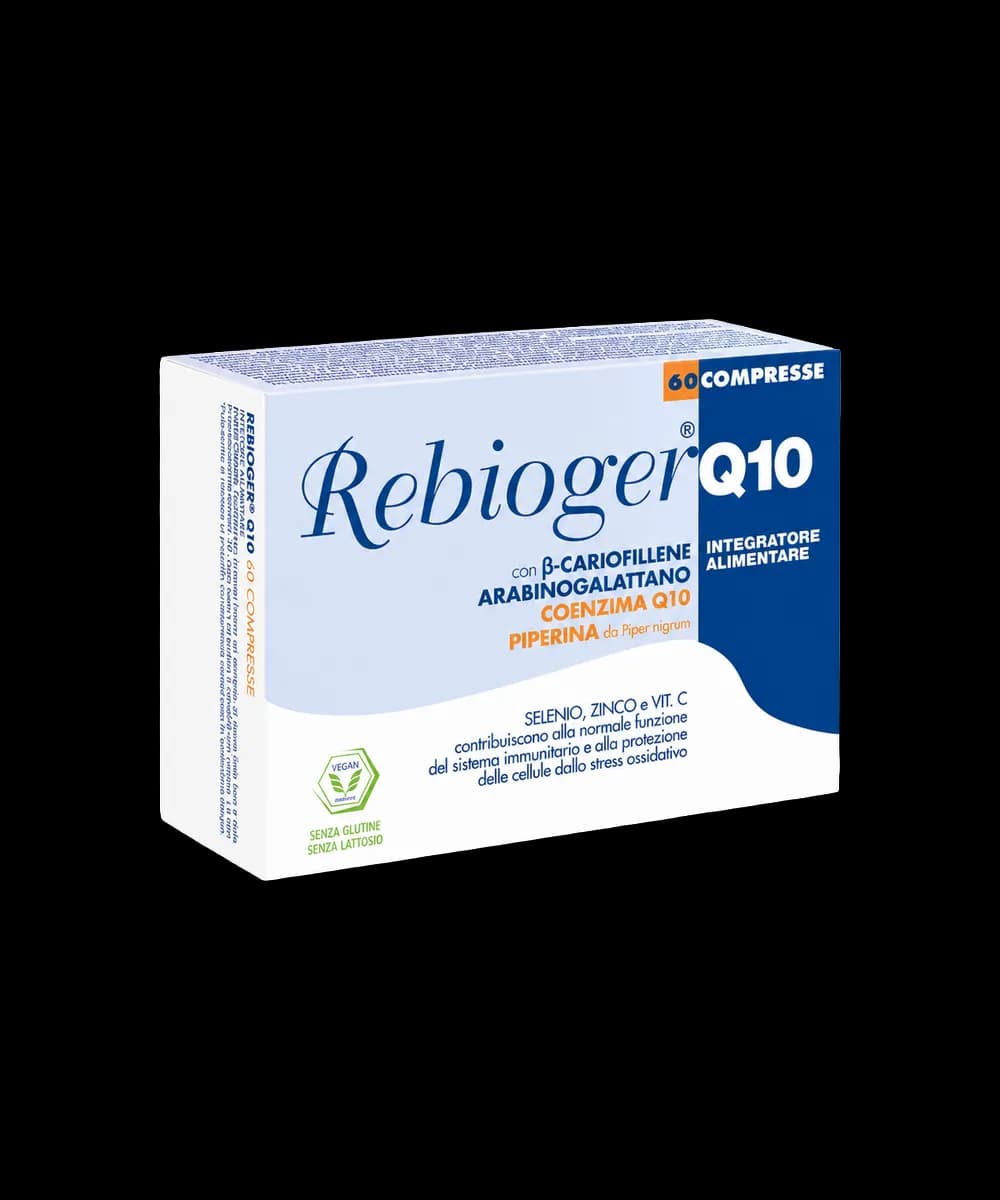
This effective treatment can be combined with taking Rebioger Q10 tablets, a food supplement with active ingredients that have an antioxidant and photoprotective action.
Living with psoriasis can be really difficult, partly because of the many physical discomforts caused by the disorder, such as itching, flaking, redness and burning, which often do not appear only on the scalp but spread to other areas of the body such as the knees, elbows, hands, feet, neck and the lumbosacral area of the back.
That is why GD has developed a line of products which, acting together, are a valuable aid against the main symptoms and discomforts caused by the disease.
Specifically, we are talking about the products in the AVEC line for dry and atopic skin, to be applied to red and irritated areas for immediate relief:
- Avec Soothing Decongestant Cream, suitable for skin suffering from chronic irritation such as psoriasis. It soothes redness and gives relief immediately after application to areas with psoriatic lesions;
- Avec Cleansing Mousse, which can be used to cleanse the skin of the face and neck affected by rashes and irritation extremely gently;
- Avec Emulsion, specifically for dry and dehydrated skin, with a soothing, emollient and anti-inflammatory action; it relieves itching, calms redness and protects against irritating stimuli. It can also be used to dilute corticosteroid creams or ointments, helping the active ingredients to be absorbed.
Warning
Information provided for informational purposes only, which cannot constitute a diagnosis or the prescription of a treatment, or replace a direct relationship with your doctor or a specialist consultation. You are always advised to seek the opinion of your doctor and/or specialists.
For any reports or complaints, please contact the owner of this website at gdtif@gditalia.biz