Prevent seborrhoeic dermatitis in autumn
In autumn, seborrhoeic dermatitis strikes again, harder than before. Why, and how can you prevent it? Find out by clicking here
For people with seborrhoeic dermatitis, summer is a happy time. At this time of year, in fact, the condition goes into a phase of remission.
For some people especially, the symptoms become milder and fade until they almost disappear: skin that is less dry and flaky, just the occasional itch.
But if you have had to deal with seborrhoeic dermatitis, you know perfectly well that it is only a short break.
When you get back from holiday, the relapse comes. Suddenly the usual discomfort appears, heralding the flare-up of seborrhoeic eczema: the skin on the face, especially around the nose and cheeks, becomes red and chapped; small crusts also appear on the scalp, forming a layer of dandruff.
We fully understand how much discomfort and embarrassment this condition can cause, and how frustrating it is to think you are finally over it, only to find yourself fighting this skin disease all over again.
In this article we will explore together the factors that contribute to seborrhoeic dermatitis getting worse in autumn and give you practical tips to help you prevent it, taking care of your skin naturally.
We are here to offer you support and effective solutions.
Why does seborrhoeic dermatitis improve in summer?
Let's start from the beginning by finding out why seborrhoeic dermatitis seems to improve during the summer.
The main reason for this is the sun.
The sun's rays, in fact, dry the skin, cutting sebum production, and stimulate the immune defences , thus promoting faster healing of the skin lesions caused by this condition.
In addition, UV radiation can also have an antibacterial and antifungal effect, countering the growth of certain microorganisms such as Malassezia furfur, a microorganism that normally lives on our skin and is considered one of the triggers of seborrhoeic dermatitis.
Although it is a very effective natural remedy, however, the sun is not the definitive solution to seborrhoeic dermatitis.
And, just like a medicine, it should not be overused.
Exposing yourself to ultraviolet rays for too long and without protection can in fact cause a lot of damage. Among the other side effects of the sun is photoageing, which causes premature ageing of our skin.
So, if you want to get the most out of the sun, it is best to follow the same golden rules that allow you to get a beautiful, healthy tan without contraindications:
- sunbathe during the cooler hours, in the morning and in the evening, towards sunset
- choose a sun protection suited to your skin phototype, reapplying it often during the day
- use an after-sun product that soothes and nourishes the skin. We suggest Avec Emulsione, a highly effective soothing product
Sea water also has a beneficial effect on the symptoms of atopic eczema. Thanks to its mineral salt content, salt water has a disinfecting power, prevents and fights infections and smooths the skin.
But be careful.
After a swim in the sea, always remember to take a shower with fresh water to wash away grains of sand and salt residues, which can be irritating.
There is also another aspect to consider to explain the remission of seborrhoeic dermatitis in summer: the less hectic lifestyle we adopt on holiday.
There is, in fact, a correlation between eczema and stress, which influence each other.
When we are subjected to constant stressful stimuli, always rushing, always caught up in thoughts and worries, our immune system suffers. Our defences drop and, as a result, can no longer keep yeasts of the Malassezia furfur genus in check.
In addition, stress and anxiety can trigger real inflammatory processes in the skin. This can upset the skin's normal balance, stimulating excessive sebum production, which is one of the key factors in seborrhoeic dermatitis.
The itching and discomfort we feel then do the rest.
When your skin itches and feels tight, how can you relax? The very feeling of discomfort helps keep that discomfort going, causing us further stress.
Summer lets us slow down and take a break, and this can also influence the health of our skin.
Factors that influence the return of seborrhoeic dermatitis in autumn
When we head into autumn, however, skin problems come back, often worse than before.
Why this autumn relapse of seborrhoeic dermatitis?
First of all, the change of season brings new weather conditions: constant temperature swings, lower air humidity, wind. These factors can make the skin more fragile and sensitive, encouraging flare-ups of typical eczema symptoms such as redness and itching.
We also need to bear in mind that the sun and the sea, which helped us so much during the summer, strongly dehydrate the skin, which reacts by producing more sebum, the greasy, oily substance that protects the skin.
That is why, in autumn we often also see a flare-up of acne (rebound effect)
In addition, between going back to the office, changes in habits (perhaps a new diet) and less rest, our body is once again subjected to strong stress and imbalances, which can pave the way for seborrhoeic dermatitis.
How to prevent seborrhoeic dermatitis in autumn
Having looked at the causes and triggers of autumn seborrhoeic dermatitis, we would now like to give you a few brief tips to try to prevent this condition or at least keep the symptoms under control and stop them from getting worse.
The first piece of advice, if you suffer from seborrhoeic dermatitis, is to see a dermatologist you trust for an examination and the right treatment. Even if the condition is the same, each of us is different and reacts in our own way to medicines and treatments.
It is always best, then, to have the condition of your skin assessed by an expert who can make a diagnosis and follow you along the treatment path for the skin condition you are affected by.
In any case, you can follow these small precautions to support the wellbeing of your skin and scalp:
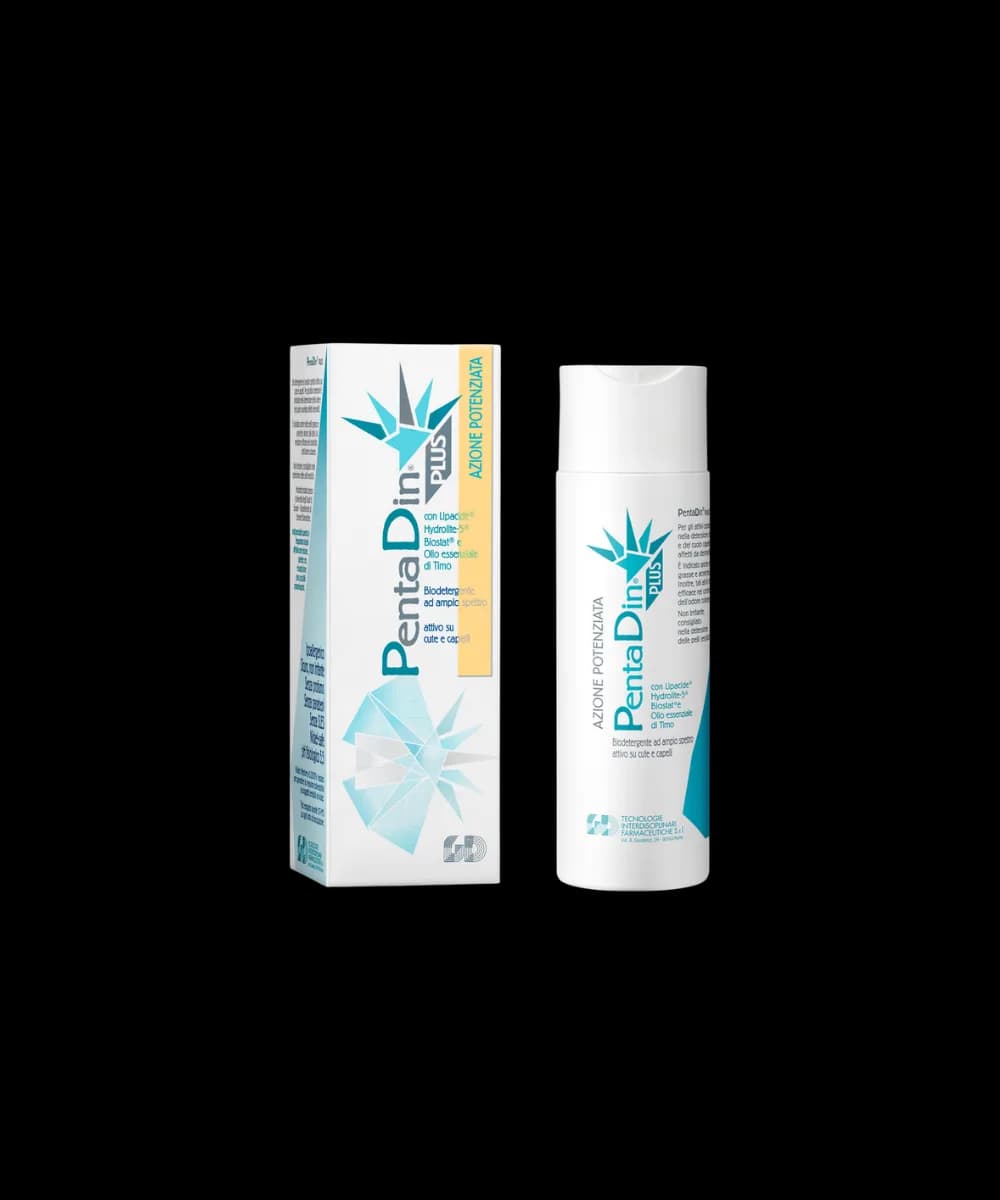
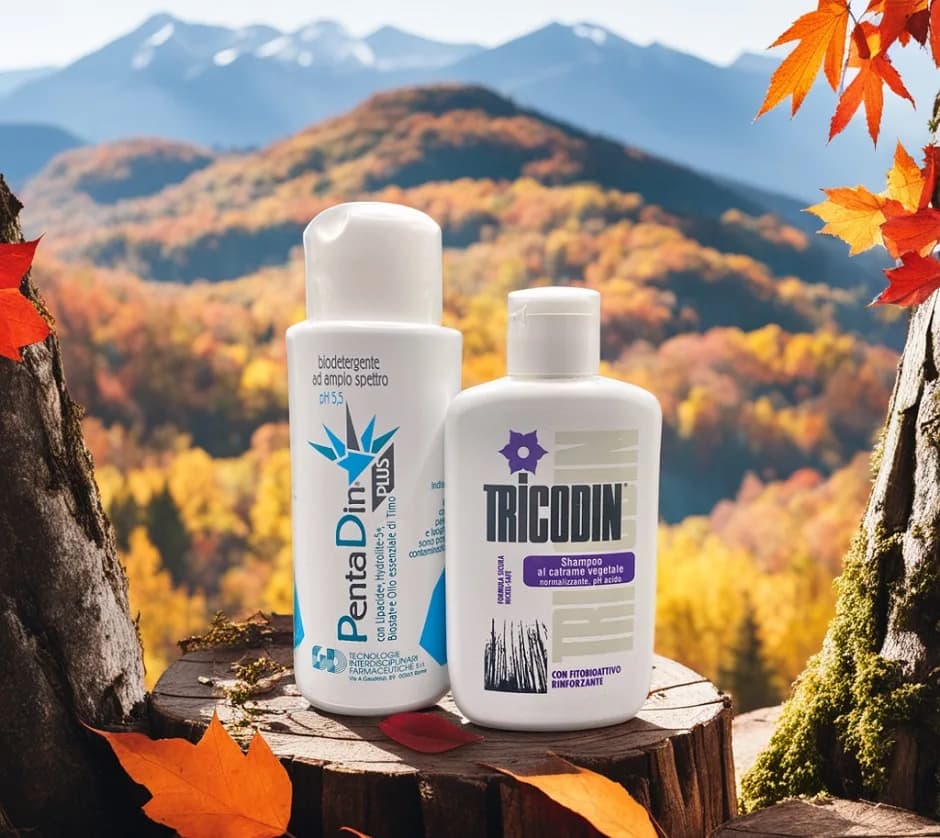
- practise proper hygiene of the skin and scalp, using gentle cleansing products with a formulation specifically for seborrhoeic skin. We suggest trying our Pentadin Plus broad-spectrum biocleanser, hypoallergenic, with active ingredients that ensure total coverage against bacteria, fungi and yeasts. Pentadin Plus can regulate the skin's ecosystem, preventing the growth of the germs that cause acne, and acts on sebaceous secretions, limiting oiliness.
It combats flaking of the scalp and the formation of dandruff. It regulates the production of sebum, which makes hair look greasy and oily. It reduces irritation. - Apply a light, non-comedogenic cream often, so as to restore hydration to the skin and avoid dryness and flaking
- Do not wash your hair too often in an attempt to reduce oiliness. The habit of frequent showers, in fact, magnifies the problem instead of solving it. When you step into the shower, use an anti-dandruff shampoo such as Tricodin Shampoo al Catrame vegetale, designed specifically to counter the seborrhoea and furfuraceous scaling typical of seborrhoeic dermatitis. A few natural, highly effective ingredients make it an indispensable product for caring for hair and scalp. Its formulation in fact contains plant tar from Pine, which has antiseptic properties, and silk protein hydrolysate, a phytobioactive that wraps the hair in a protective film, making it not only stronger, more resistant and more robust, but also soft and shiny.
- On the same principle, we suggest avoiding hair products that could be irritating. Limit the use of gels, hairsprays and sprays.
- Try to follow a healthy lifestyle. What does that mean? A balanced diet that always includes good amounts of fruit and vegetables; cutting down on alcohol and smoking, which are generally bad for your skin; resting well, letting your body recharge with the right number of hours of sleep; trying to manage stress, so that the emotional overload you build up does not take it out on your skin.
Please note
Information provided for informational purposes only, which cannot constitute a diagnosis, the prescription of a treatment, or a substitute for a direct relationship with your doctor or a specialist visit. We always recommend asking for the advice of your own doctor and/or specialists.
For any reports or complaints, please contact the owner of this website at the email address gdtif@gditalia.biz