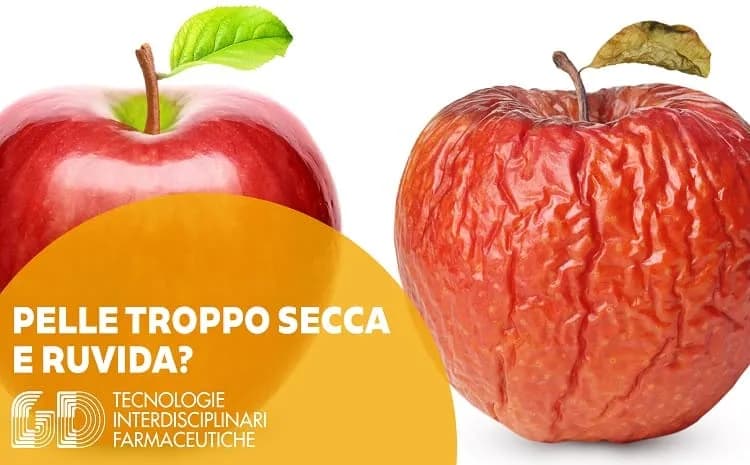
Skin too dry and rough? Remedies for skin xerosis
Dry, very rough skin? It could be skin xerosis, which makes the skin parched. Find out how to counteract it
Dry, almost parched, arid like a desert without a single oasis. That is how the skin of people with skin xerosis looks. It is a pathological form of dry skin resulting from a lack of hydration. In particular, we speak of skin xerosis when the amount of water in the outermost layer of the skin falls below 20%.
The symptoms of xerosis, or overly dry skin
The main symptoms of skin xerosis are:
- dryness of the skin
- skin tightness
- flaking
- fissures and small cracks in the skin
- inflammation
- redness
- itching
This condition of very dry skin can affect the face, but also other areas of the body, such as the legs, back, hands and feet. It is a very widespread problem that affects men and women of all ages, although it is mainly older people who suffer from it.
In fact, it is estimated that around half of people over 65 suffer from dry skin.
The reason?
As we age, the skin becomes thinner and more fragile because of the natural skin ageing process. The cell regeneration cycle (cell renewal) slows down, the collagen fibres that support the skin tend to break down, and the skin barrier, whose job is to protect us from environmental attack, becomes damaged. As a result, it can no longer retain water.
This leads to dehydration, which is behind senile xerosis, that is, very dry skin in older people.
However, teenagers too can find themselves dealing with xerosis.
Main causes of very dry skin
As we have seen, xerosis has to do with severe dehydration, which brings a series of rather unpleasant consequences.
But what are the causes and risk factors?
Advanced age and genetic predisposition play an important role in the onset of xerosis.
As with other skin conditions, one factor that affects the health of our skin is diet. A poorly balanced diet, lacking the right nutritional intake, can have very harmful effects. To keep the skin well hydrated from within, it is important to eat fruit and vegetables, preferably fresh and seasonal, in the right amounts.
Another risk factor is prolonged exposure to UV rays.
We will never tire of repeating it: the sun is good for you, but in small doses and always with good protection to hand. It may seem excessive, but this too is the secret to healthy, young, beautiful skin: knowing how to enjoy the benefits of the sun while defending yourself from its side effects. An excellent solution is to take a supplement such as Tannidin Plus, which works as a natural shield against damage from solar radiation and from the blue light of screens.
Climate factors can also influence the appearance of skin xerosis or make its symptoms worse. So take care when exposed to very cold or very hot climates with rather low humidity.
Frequent contact with irritating substances such as chemicals or solvents can also cause this type of skin problem. Likewise, washing too often, especially with overly harsh cleansers, can cause severe skin dryness.
How to counteract excessive skin dryness
Counteracting and reducing the discomfort linked to excessive skin dryness is possible through a series of small precautions and the use of specific skin care products.
Let's start with prevention, which is always the best care strategy.
First of all, it is advisable to avoid very dry environments. One solution could be to use a humidifier which, through water vapour, raises the humidity level in the home.
As we have already seen, excessive heat and excessive cold can trigger or worsen the symptoms of xerosis. Consequently, in these particular weather conditions, it is best to limit time spent outdoors or to go out wearing protective clothing (gloves, hat, earmuffs in winter).
Avoid washing too often and with hot water. It is better to set a medium temperature and use a gentle product such as Isoderma, a balanced, soap-free neutral cleanser, suitable for sensitive skin and skin affected by various forms of skin disease such as eczema or atopic dermatitis.
It is also advisable to choose clothing made from natural fibres such as cotton rather than clothes made from synthetic fibres, which could irritate the skin. A further precaution concerns laundry: avoid washing your clothes with harsh detergents rich in dyes or fragrances, as these substances could leave residues.
To treat xerosis, dermatologists recommend using emollient creams applied to the skin immediately after washing so as to limit water evaporation and therefore dehydration.
In general, an anti-xerosis product should contain:
- lipids, in particular ceramides and sterols
- hydrating substances
- hyaluronic acid
- allantoin
- alpha hydroxy acids
In any case, if you suffer from skin xerosis, it is best to see your trusted dermatologist, who can carry out a thorough examination and prescribe the most suitable product for the specific case.
We strongly advise against DIY methods and so-called “grandma's remedies” for very dry skin. The risk is using an unsuitable product, which might not only be completely ineffective but could also make the situation worse.
The treatment of xerosis can be supported by taking Avec Integratore alimentare, which counteracts dryness, inflammation and itching from within.
Thanks to its Ceramosidi® content, Avec® Integratore can restore the skin barrier function, whose impairment is behind the feeling of dryness. In this way, it helps relieve itching and calm irritation. Ceramosidi®, in combination with Hyaluronic Acid, Biotin and Vitamin A, reduce water loss, helping the skin maintain proper hydration.
Avec® Integratore contains extracts of Perilla frutescens and Viola tricolor, which control redness and itching and which, thanks to their antibacterial and antiviral action, reduce the risk of infections and superinfections. In addition, Vitamin D, together with Zinc and Copper, stimulates the immune system and helps keep the body's defences at an adequate level.
For any reports or complaints, please contact the owner of this website at gdtif@gditalia.biz