How to take care of older people's skin
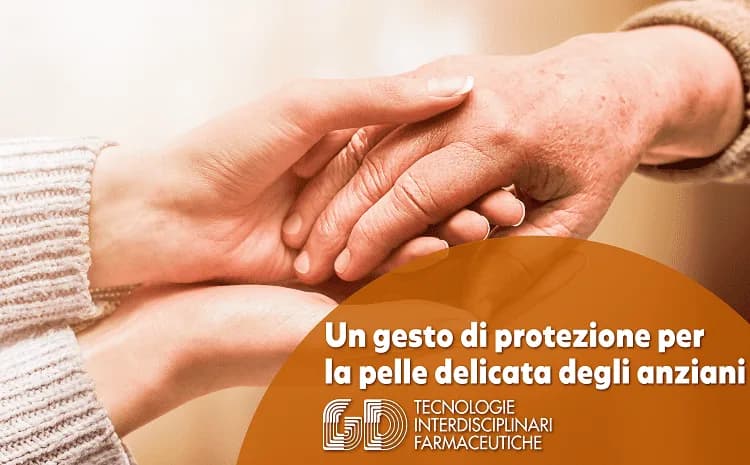
Older people's skin is more delicate and fragile, prone to irritation and wounds. Here is how to look after it as well as possible
As we get older, our skin ages too.
We are not only talking about the wrinkles that become etched on our face, but about a series of physiological changes linked to the passing of time.
Effects of ageing on the skin
Over the years, the skin tends to become thinner and more fragile. In some people it is so thin that veins, capillaries and tendons can be seen through it.
The skin of older people, especially very thin people, looks almost like tissue paper and, like this extremely delicate material, tears more easily.
Why does this happen?
Because as we age, our body slows down certain functions and, in particular, produces less and less collagen and elastin, proteins that give structure to our skin, providing elasticity, flexibility and strength.
This problem is more common among women because female skin is already thinner and more delicate than men's to begin with. The difference is due to testosterone, which makes male skin thicker and tougher.
Other factors also affect the gradual thinning of the skin:
- prolonged and continuous use of certain medicines. If used for long periods, some widely used medicines such as cortisone-based ointments, salves and creams can cause skin thinning and fragility. Non-steroidal anti-inflammatory drugs (commonly known as NSAIDs and used to treat various ailments such as headache, toothache and various forms of arthritis) can also, in the long run, have skin thinning among their side effects;
- hygiene and self-care. As age advances and makes itself felt through aches and ailments, many people find it increasingly difficult to take care of themselves. Some older people lose their independence completely, which prevents them from looking after their personal hygiene, a factor that affects skin health;
- diet. As we have seen in other articles, diet also has a considerable effect on the health and wellbeing of our skin. Thinning skin could indicate a deficiency of certain essential vitamins and nutrients;
- gradual decrease in lipids. Our skin is covered by a lipid film, a surface layer made of fats that acts as an invisible protective barrier and keeps the skin hydrated. As we age, the lipid layer shrinks and the skin is more exposed
- Prolonged and continuous exposure to the sun's rays. As we have said on several occasions, the sun is very harmful to the skin. Prolonged exposure to UV rays, especially without adequate protection, speeds up physiological skin ageing, causing wrinkles and spots to appear
Thin, fragile skin that has become atrophied can no longer efficiently perform its function as a barrier and filter between the outside and the inside. This means the skin itself is more exposed to attack from external agents, to irritation and to infection.
Older people and dry skin: senile xerosis
Another effect of ageing is skin dryness, which experts call senile xerosis.
The symptoms?
Dry, rough skin, we might say thirsty, because hydration has fallen below the minimum threshold, under 20%.
It is caused by a combination of different factors, all connected with ageing:
- slower cell renewal
- changes in collagen fibres
- changes in the skin barrier and a reduced ability to retain water
- lower sebum production by the glands
This severe dryness leads to itching, redness and irritation, all extremely uncomfortable symptoms that make the person scratch to find relief. But rather than easing the discomfort, scratching only makes it worse, because the thin, irritated skin tends to crack when rubbed by the nails.
Lesions form that become a gateway for bacteria and viruses, microorganisms that can cause infections, even serious ones. The immune system of older people is much less efficient. As a result, the body's response to attack is weaker.
Chronic incontinence dermatitis and pressure sores
A major problem faced by those caring for an older person, especially if that person is not independent or is bedridden, is nappy dermatitis, inflammation of the skin affecting the intimate areas, in particular the genitals and buttocks.
Unfortunately, as they get older, many people develop problems such as incontinence, which means having to use incontinence pads or absorbent pants to avoid leaks of urine or faeces.
Contrary to what many believe, however, it is not these products that cause very uncomfortable rashes and skin eruptions that cause burning and pain.
The irritation is triggered by prolonged contact of the skin with urine and faeces that stagnate inside the pad itself. Older people's skin is much more sensitive and therefore is affected by the acidic, aggressive substances contained in bodily fluids, which make it macerate.
In some cases, incontinence pad dermatitis can also be complicated by a bacterial infection, encouraged by the damp environment that forms inside the pad itself.
If these irritations are not properly treated, they can worsen and even lead to painful pressure sores.
Tips for caring for older people's skin
Given the problems that come with advancing age, here are some practical tips for taking care of older people's skin:
Do not give the older person frequent showers or baths
Contrary to popular belief, baths that are too long and frequent are not good for the skin.
The risk is altering or damaging the hydrolipidic film, making the skin even drier and rougher.
It is therefore advisable to limit washing and always use lukewarm water, not hot. Hot water removes the natural oils on the skin that keep it nourished and protected.
Do not use harsh cleansers
Cleansers that are too harsh should also be avoided at all costs, as they could cause severe irritation, redness and discomfort in delicate, thin skin such as that of older people.
A good washing product should meet a few simple requirements:
- produce little foam
- rinse off easily
- contain no fragrance or other additives
Isoderma is our balanced, neutral pH cleanser suitable for all skin types, including the sensitive skin of older people.
This product, formulated for extremely gentle, non-irritating cleansing, turns daily hygiene into a real treat.
Thanks to its active ingredients, it:
- Cleanses gently
- Respects and restores the skin's natural pH
- moisturises deeply
Hypoallergenic, free from fragrances and paraffins and fully nickel-safe,
Apply moisturising creams every day
To counteract the skin dryness that affects older people, it is a good idea to apply a moisturising cream every day.
To treat xerosis, dermatologists recommend using emollient creams applied to the skin immediately after washing so as to limit water evaporation and therefore dehydration.
In general, an anti-xerosis product should contain:
- lipids, in particular ceramides and sterols
- hydrating substances
- hyaluronic acid
- allantoin
- alpha hydroxy acids
If you suffer from skin xerosis, it is best to see your trusted dermatologist, who can carry out a thorough examination and prescribe the most suitable product for the specific case.
Treatment can be supported by two products from the AVEC line, specifically formulated for dry and atopic skin:
Avec crema lenitiva, which can bring relief and wellbeing to chronically irritated skin, protecting it from irritating stimuli
Avec integratore, a food supplement formulated with active ingredients of plant origin, vitamins and minerals such as:
CERAMIDES FROM TRITICUM AESTIVUM
HYALURONIC ACID 50KDA (LOW MOLECULAR WEIGHT)
VIOLA TRICOLOR WHICH HELPS IMPROVE THE BODY'S DEPURATIVE FUNCTIONS AND SKIN WELLBEING
PERILLA AND ASHWAGANDHA WHICH IMPROVE THE BODY'S NATURAL DEFENCES.
IN ADDITION, ASHWAGANDHA PROMOTES RELAXATION AND MENTAL WELLBEING
VITAMIN A, BIOTIN AND ZINC CONTRIBUTE TO THE MAINTENANCE OF HEALTHY SKIN
VITAMIN D, COPPER, VITAMIN A AND ZINC CONTRIBUTE TO IMPROVING THE NORMAL FUNCTIONS OF THE IMMUNE SYSTEM
IN ADDITION, COPPER CONTRIBUTES TO THE MAINTENANCE OF NORMAL CONNECTIVE TISSUES WITH SWEETENER
Take care with older people's intimate hygiene
If the person is bedridden and not self-sufficient, their intimate hygiene must also be carefully taken care of, so as to prevent urinary and skin infections.
Intimate washing can be done with disposable wipes or a damp sponge rubbed over the areas concerned to remove dirt, always starting from the cleanest areas.
Always choose a neutral intimate cleanser, free from harsh surfactants that can trigger irritation.
To collect the water poured for rinsing, it is best to use a bedpan or place a disposable sheet on the bed, so as not to wet the mattress.
If the older person suffers from incontinence, the pad must be changed regularly to avoid the onset of dermatitis, which can also be prevented by applying special creams that promote skin wellbeing and protect it from irritating stimuli.
The most widely used are those based on zinc oxide, such as Eutrodin, a soothing, protective cream with anti-inflammatory action that spreads like a light veil over the skin, letting it breathe while protecting it. It provides relief from redness and irritation due to incontinence dermatitis, incontinence pad dermatitis and pressure sores
Help the older person follow a healthy, varied diet
As we often say, healthy eating is our first medicine.
Eating well means giving our body what it needs to perform its functions at its best and to feel good, at any age.
The health of our skin is also influenced by what we eat. So it is a good idea to follow a healthy, varied and balanced diet, including the right amounts of fruit and vegetables, cereals and protein and foods rich in antioxidants in the older person's diet.
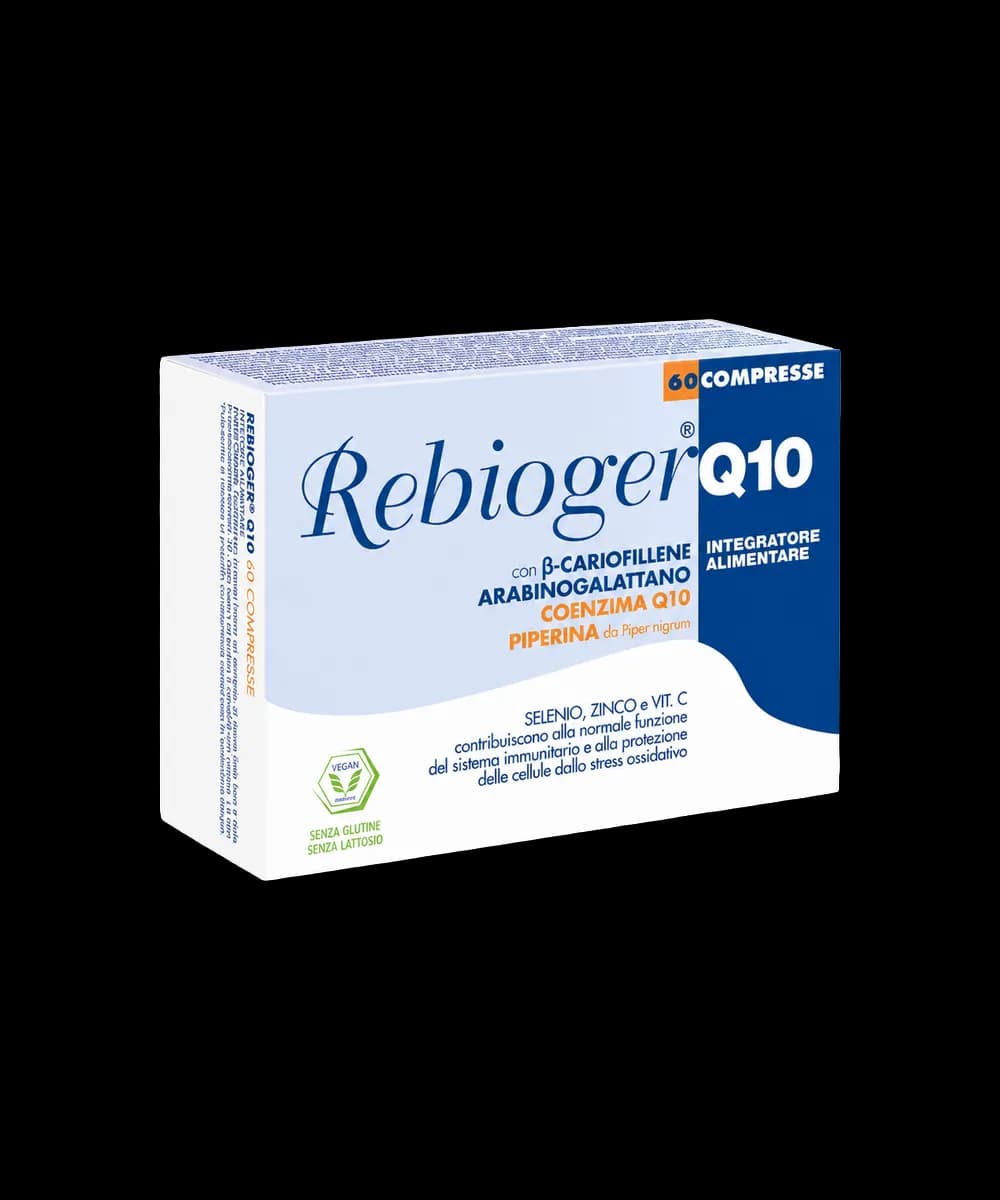
If your doctor has diagnosed you with a chronic skin condition, or you notice that your body and face are changing quickly as time goes by, you can ask your doctor or pharmacist whether taking REBIOGER Q10 could be useful for you.
Rebioger Q10 is a food supplement formulated with active ingredients of plant origin, vitamins and minerals such as:
COENZYME Q10 AND HESPERIDIN
β-CARYOPHYLLENE FROM CLOVES AND BLACK PEPPER, ANTIOXIDANTS
ARABINOGALACTAN FROM LARCH EXTRACT
ECHINACEA WHICH SUPPORTS THE BODY'S NATURAL DEFENCES
Ω 6 UNSATURATED FATTY ACIDS, FROM BORAGE OIL WHICH SUPPORT THE INTEGRITY AND FUNCTIONALITY OF CELL MEMBRANES AND SKIN TROPHISM
VITAMINS C, B6, D2, SELENIUM AND ZINC WHICH CONTRIBUTE TO THE NORMAL FUNCTION OF THE IMMUNE SYSTEM
VITAMINS C AND E: WHICH CONTRIBUTE TO THE PROTECTION OF CELLS FROM OXIDATIVE STRESS
IN ADDITION, VITAMIN C CONTRIBUTES TO COLLAGEN FORMATION FOR THE NORMAL FUNCTION OF SKIN AND BONES
MAGNESIUM, PANTOTHENIC AC. (VIT. B5) AND NIACIN (VIT. PP): CONTRIBUTE TO THE REDUCTION OF TIREDNESS AND FATIGUE:
BIOTIN AND ZINC: CONTRIBUTE TO THE MAINTENANCE OF HEALTHY SKIN AND HAIR
D2: CONTRIBUTES TO THE MAINTENANCE OF HEALTHY BONES
Taking Coenzyme Q10 can also be useful to awaken and strengthen the immune defences, helping the body to be readier to react against potential attacks.
Please note
Information provided for informational purposes only, which cannot constitute a diagnosis, the prescription of a treatment or a substitute for direct contact with a doctor or a specialist visit. Always ask your doctor and/or specialists for advice.
For any reports or complaints, please contact the owner of this website at gdtif@gditalia.biz