Beach infections
The seaside should mean holidays, but you need to be careful. Beach infections are lurking. Find out how to prevent them
At last summer, the carefree season. That time of year when we feel the need to switch off, forget everything and simply enjoy some time relaxing.
The urge to have fun returns: to lie on a sunbed by the sea for long sunbathing sessions, to stroll feeling the warm sand under our bare feet, to cool off and play in the waves.
We must remember, however, that right there in the warm sand we could come across some hidden dangers to our health.
Our thoughts turn to the dangers of sun exposure, to the erythema and sunburn that cause us so much suffering and also have long-term consequences for the health of our skin.
But that is not all.
In a previous article we talked about the risks we run by the pool. Today, instead, we would like to introduce another topic that is close to our hearts and that should not be underestimated: beach infections.
Beach infections: everything you need to know
When we go to the seaside, we expose ourselves to attack from various external agents that thrive in the sand, especially in damp environments where temperatures are very high: viruses, bacteria, fungi. Micro-organisms that can infect us and trigger various problems, often not serious but definitely unpleasant.
Irritations that could be avoided by paying a little attention during long days under the beach umbrella.
Impetigo, the children's beach infection
One of the most common beach infections is undoubtedly impetigo. It is a bacterial skin infection that particularly affects children under 10 years of age.
What are the symptoms of impetigo?
Impetigo appears in the form of small red blisters, vesicles and pustules filled with serum, usually located around the mouth, the nose and the navel area. This surface manifestation is accompanied by burning and itching, a very unpleasant sensation that makes children scratch.
Constant rubbing, however, rather than bringing relief and reducing the discomfort, increases the inflammation and can cause the blisters to burst, exposing healthy skin to attack from other bacteria.
Impetigo is a contagious beach infection.
This means that when this skin infection is present, you need to keep your child away from other children for the time being and promptly give the treatment indicated by the doctor.
It can remain contagious for up to 48 hours after starting antibiotic treatment.
What causes impetigo?
Impetigo is usually caused by golden staph (Staphylococcus Aureus), but other bacteria, such as Streptococci, can also be behind this infection, which mainly affects young children.
These micro-organisms can infect the skin in two main ways:
- By getting in through a wound, a cut or other types of lesion, such as an insect bite (primary impetigo)
- As a complication of another skin condition or disease, particularly inflammatory ones such as eczema or atopic dermatitis, herpes simplex and scabies, but also in the presence of lice (secondary impetigo)
Diagnosis and treatment of impetigo
If you suspect that your child has caught a bacterial infection that has triggered impetigo, you need to see a dermatologist. A visual examination is enough to identify the lesions typical of the disease and distinguish them from the symptoms of other skin conditions.
The treatment to use varies from case to case.
Adults can also get impetigo, which in these cases usually affects hairy areas of the body, such as the faces of men with beards. This form of infection is called sycosis pyogenica and must be treated with oral antibiotics. The medicines to be taken must always be prescribed by a doctor.
If, on the other hand, we are dealing with a child with impetigo, there are two different options for treating the infection.
If it is a localised infection that is limited to a particular area of the body, applying topical medicines, creams or ointments recommended by the dermatologist will be enough
If the impetigo infection is more extensive and generalised, a topical medicine is used in combination with a systemic antibiotic.
Beach infections: Mycoses, watch out for fungi
Other pathogens to defend yourself against when you go to the seaside are fungi, which cause unpleasant mycoses.
These micro-organisms lurk in the sand on the beach but also on other surfaces such as rented sunbeds and deckchairs (and therefore shared with strangers), on wooden walkways, around the edges of swimming pools and in shower trays. They can also be found on terry beach towels, flip-flops and the shelves of bathrooms and changing rooms.
Fungi are in fact able to survive for a long time, and it is impossible to spot them with the naked eye.
Even a floor that looks clean at first sight could hide the threat of a possible infection.
If the skin, especially when wet, comes into contact with contaminated surfaces, transmission of the infection is almost certain. Conditions of high humidity in fact favour attack by fungi. In addition, excessive sweating, which alters the pH of the skin, also makes it more susceptible to attack by these micro-organisms.
Types of "beach" mycosis
There are several types of mycosis that can be caught when you go to the seaside. Among the most widespread and common are:
- Onychomycosis
- Tinea corporis
- Pityriasis versicolor
- Tinea pedis
- Tinea Cruris
Onychomycosis is the fungal infection that affects the fingernails and toenails. It is easy to spot. The appearance of the nails changes completely. They become more brittle, become deformed and take on a yellowish colour, very different from their natural one.
It is a fairly contagious infection.
Next, Tinea Corporis, also known as ringworm (or dermatophytosis of the body), is a skin infection caused by dermatophyte fungi. These are micro-organisms that colonise keratin, the main protein that makes up the stratum corneum of the epidermis, the hair on the head and body, and the nails.
The condition Tinea Corporis affects the face, trunk and limbs, in other words hands and feet, and appears as round or oval patches or plaques on skin that looks red and irritated. Sometimes small blisters can appear around the lesion. The most unpleasant symptom is itching.
The condition Pityriasis Versicolor is also called Beach Fungus. In reality, however, this fungal infection is not strictly linked to the sea and sand, but can also be caught in other environments that have the right conditions for the proliferation of the fungus that causes it. Its common name comes from the fact that the white patches that characterise it are more visible on tanned skin.
Pityriasis Versicolor is caused by Malassezia Furfur, a yeast normally present on the surface of our skin. It is part of our skin microbiota, in other words the set of organisms that colonise the skin without our noticing. However, in some cases this fungus can become pathogenic and trigger infections affecting the face, limbs and trunk.
The condition Tinea Pedis (or ringworm of the foot) is a dermatosis that appears between the toes and can then spread towards the top of the foot and the nails. The symptoms are red skin, itching, flaking and cracking of the skin. It often affects swimmers and people who frequent places where sport is played (swimming pools or gyms), which is why it is also called Athlete's Foot.
The condition Tinea Cruris affects the groin and perianal folds, thighs and buttocks, on which large erythemas form, with flaking and itching. Often, due to inflammation of the hair follicles, vesicles or papules also appear along the edges of the infected lesion.
A common beach infection: Warts
Another very common beach infection is warts, small grey growths that appear on the skin. Warts are caused by certain strains of HPV, the human papillomavirus. This very resistant micro-organism can work its way into the skin through a small wound or lesion, infecting it.
They are usually not painful, just unsightly. The only exception is plantar warts, which appear on the sole of the foot. This is because they reach the deeper layers of the skin.
When you walk on them, they can press against a nerve ending, causing pain similar to that of a small stone in your shoe.
Beach infections. A handy guide to avoiding surprises after your seaside holiday
Holidays should be a time of peace and relaxation. But a beach infection could spoil your plans and make those days much less enjoyable. So it is a good idea to take a few precautions to enjoy the beach in complete safety.
- After swimming in the sea or showering, dry yourself well and make sure no moisture remains in the folds of your skin. You would be creating the ideal conditions for the proliferation of fungi and bacteria from the external environment. For the same reason, if you have children, help them dry themselves thoroughly
- Never walk barefoot in public places. When you walk along beach walkways, take a shower or go to the toilet, always wear flip-flops to protect your skin from contact with potentially infected surfaces
- Do not sit directly on deckchairs, sunbeds or chairs used by others, especially if you are in your swimsuit or wearing very short shorts. Instead, you should cover these surfaces with a clean towel or beach towel of your own
- Do not lend personal items such as beach towels, flip-flops or brushes, and do not use other people's
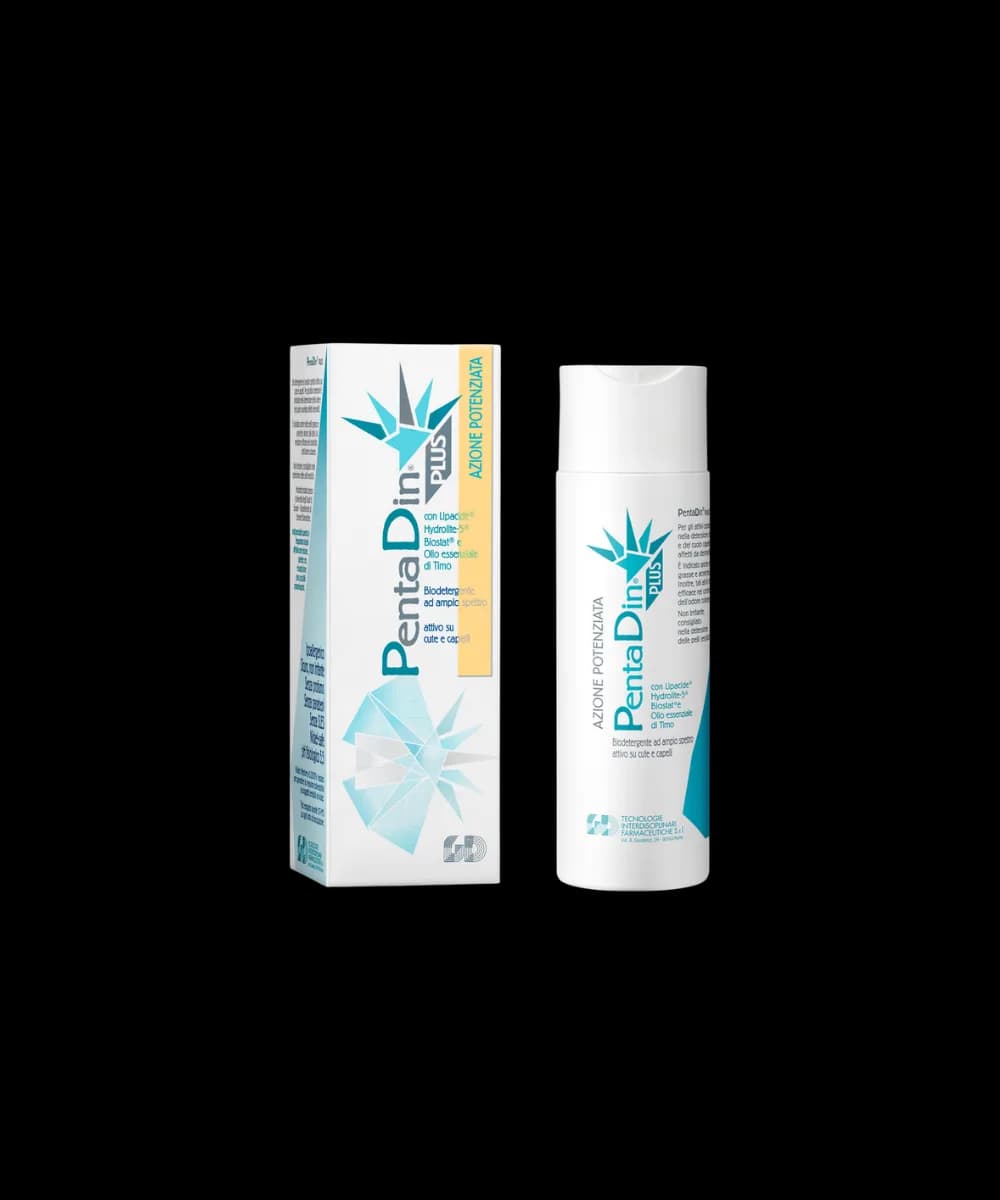
- Always take a shower when you come out of the sea, using a suitable cleanser. GD recommends Pentadin Plus, a broad-spectrum biocleanser with antifungal and antimicrobial action, able to inhibit the proliferation of germs and bacteria, particularly suitable if you frequent places where contamination is easy, such as gyms, swimming pools and public transport
- Disinfect your child's toys with a suitable cleanser
- When you get home, run a wash and wash all the clothes you used, including swimsuit and towel. For deep, safe cleaning, we suggest adding a dose of Nevoxil detergente to your usual detergent, which disinfects and sanitises fabrics thanks to nascent oxygen that acts on spores, fungi and bacteria
Against the white patches caused by pityriasis versicolor, we suggest using Pigmadin, the vegan eupigmenting, immunomodulating and antioxidant food supplement that acts effectively on skin pigmentation, stimulating melanin production and reducing photosensitivity
For any reports or complaints, please contact the owner of this website at the email address gdtif@gditalia.biz