Gym infections: GD's tips for playing sport safely
Gym infections are increasingly common among sports enthusiasts. Discover our tips for exercising safely.
Sport is a fundamental element of our health, both physical and mental.
It is no coincidence that the ancients said “mens sana in corpore sano”, promoting a lifestyle based on caring for mind and body, which should develop together, in harmony.
Physical activity, however, should always be practised with some care to avoid unpleasant problems. It is not just a matter of the possibility of injuries, strains and trauma caused by incorrect or overly intense training.
You also need to watch out for gym infections.
When we are in a setting like this, perhaps we are not so careful.
After all, we go to the gym to let off steam, to switch off after a long day at work, to get back in shape or sculpt our body, and also to have a chat between exercises or in the changing room while getting ready to go home.
These are moments when we relax and, to be honest, we often let our guard down about the risks, forgetting to take a simple precaution such as using our own clean towel when using a bench or a machine.
This hygiene rule, which every gym reminds its members of, could save us a lot of trouble.
In places like these, where people sweat and are in close contact with others, it is quite easy to pick up various skin infections.
Consider that around 80% of people who regularly go to the gym have had to deal with warts or fungal infections at least once.
In this article we will find out what the most common gym infections are and how to prevent them during and after exercise, avoiding becoming infected and spreading the infection.
But first, let's explain why the gym environment is the perfect incubator for germs and pathogenic bacteria that are behind many skin problems.
Why is it easy to catch an infection at the gym?
Think for a moment about the gym you joined in recent months and go to regularly every week.
Perhaps it is a small gym on the outskirts of town, with a weights room and a couple of rooms for fitness classes. Or perhaps it is a large gym on several floors, well equipped and with every comfort.
In both cases, we are talking about an enclosed space, at certain times very crowded, with little air exchange, both in summer and in winter. Some areas in particular (think of the changing rooms) are warm and humid because of the showers, where water often stagnates.
Heat, humidity and overcrowding make the gym an environment suited to the proliferation of germs and bacteria, which find the ideal conditions here to survive and multiply.
Then there is another aspect to consider: shared equipment.
People who have used a dumbbell or machine do not always bother to clean and disinfect it before leaving it for someone else.
Furthermore, during exercise it is quite easy to get small abrasions, tiny tears in the skin that become open doors for the microorganisms that carry infection.
But the gym is also a place where it is easier to fall ill for another reason, linked to the way our immune system works after intense physical exercise.
Several studies have shown that at the end of a very strenuous sporting activity, that is, when we put ourselves under heavy stress, there is a specific moment when our natural defences drop and become less effective.
This window of time, known in the jargon as the “open window”, exposes us to attack by the pathogens present in the gym or sports centre.
The main gym infections
But which gym infections are most often caught?
When you go to sports centres, you may find yourself dealing with:
- Warts
- fungal infections
- intertrigo
Gym infections: what warts are and what symptoms they cause
Among the most common and troublesome gym infections are certainly warts.
These are benign lesions caused by a viral infection. The culprit is the human papillomavirus (HPV), which can easily enter the skin through tiny lesions or abrasions, which are quite common on exposed parts of the body such as the backs of the hands and the feet.
People often believe you can only get warts at the swimming pool, a place where infections are easily caught because people often walk barefoot around the edge of the pools or in the showers, where humidity causes the skin to soften, opening the door to the virus. In reality, you can also become infected in the weights room by touching a surface or an infected piece of equipment, one that has previously been used by another user with warts.
The symptoms of infection can appear even after a long time, as the virus's incubation period ranges from 1 to 8 months, and they look like small yellowish-brown growths with a rough, irregular surface and of varying size.
The most common (and troublesome) are plantar warts, which form on the heel or the sole of the foot and often make it difficult to walk without feeling a stab of pain.
Gym infections: recognising fungal skin infections
Another problem you often have to deal with when you join a gym or go to swimming pools is fungal skin infections, that is, skin infections caused by fungi (mycetes).
Basically, these microorganisms are an integral part of the skin microbiota: this means that they live permanently on the surface of our skin, without causing us any harm, at least as long as a certain balance is maintained.
But under particular conditions, fungal colonies expand and, taking advantage of a drop in immune defences, attack the skin, causing genuine diseases: mycoses, in fact.
Depending on the type of fungus involved, you may be dealing with different fungal skin infections:
- the dermatophytoses are caused by colonisation by dermatophytes, fungi that settle on the keratinised areas of the body, that is, the stratum corneum of the skin, hair and nails. The symptoms differ depending on the part of the body affected by the infection. In most cases, skin lesions form that cause neither pain nor itching and that appear and disappear intermittently. One of the best-known dermatophytoses is tinea pedis, better known as athlete's foot, which is very common among sports enthusiasts;
- pityriasis versicolor, recognisable by the characteristic discoloured patches it “prints” on the skin. It is a fungal infection caused by the uncontrolled proliferation of Malassezia furfur.
Gym infections: what intertrigo is and how it shows itself
Then there is intertrigo, a skin disorder that occurs in skin folds (such as the armpits, the groin and the spaces between the fingers and toes) and is caused by two parts of the body constantly rubbing together.
Friction, combined with moisture, causes the skin to soften and break down, resulting in inflammation and, often, infection by bacteria or yeasts.
Protecting yourself from infections at the gym
As we have seen, at the gym it is quite easy to pick up a skin infection.
We can, however, protect ourselves by taking a few precautions that will allow us to limit the risks and enjoy healthy exercise without fear of problems.
So let's look together at what to do during and after your gym workout to avoid infection by fungi and bacteria.
Precautions to take during your workout to prevent gym infections
The first hygiene rule to bear in mind: when you go to the gym, always take with you a towel of your own to spread over benches and seats of machines that are shared by everyone.
The fabric will protect you from direct contact with these potentially infected surfaces.
For the same reason, you should wear gloves when gripping shared equipment. As we have seen, hands are a vehicle for infection because we tend to touch objects without disinfecting them thoroughly first.
Another item that should never be missing from your sports bag: sliders, flip-flops or rubber shoes, to wear when you shower in the changing room or go into the sauna.
Towel, gloves and sliders are three essential items for exercising while limiting the risk of unpleasant problems such as warts.
Wear sportswear made from natural fibres such as cotton, which is light and breathable, choosing garments that are not too tight and allow you freedom of movement.
Avoid technical clothing made from synthetic materials, which rub against the skin and trap sweat, encouraging irritation and rashes that can become a breeding ground for infection.
After your workout: tips for preventing gym infections
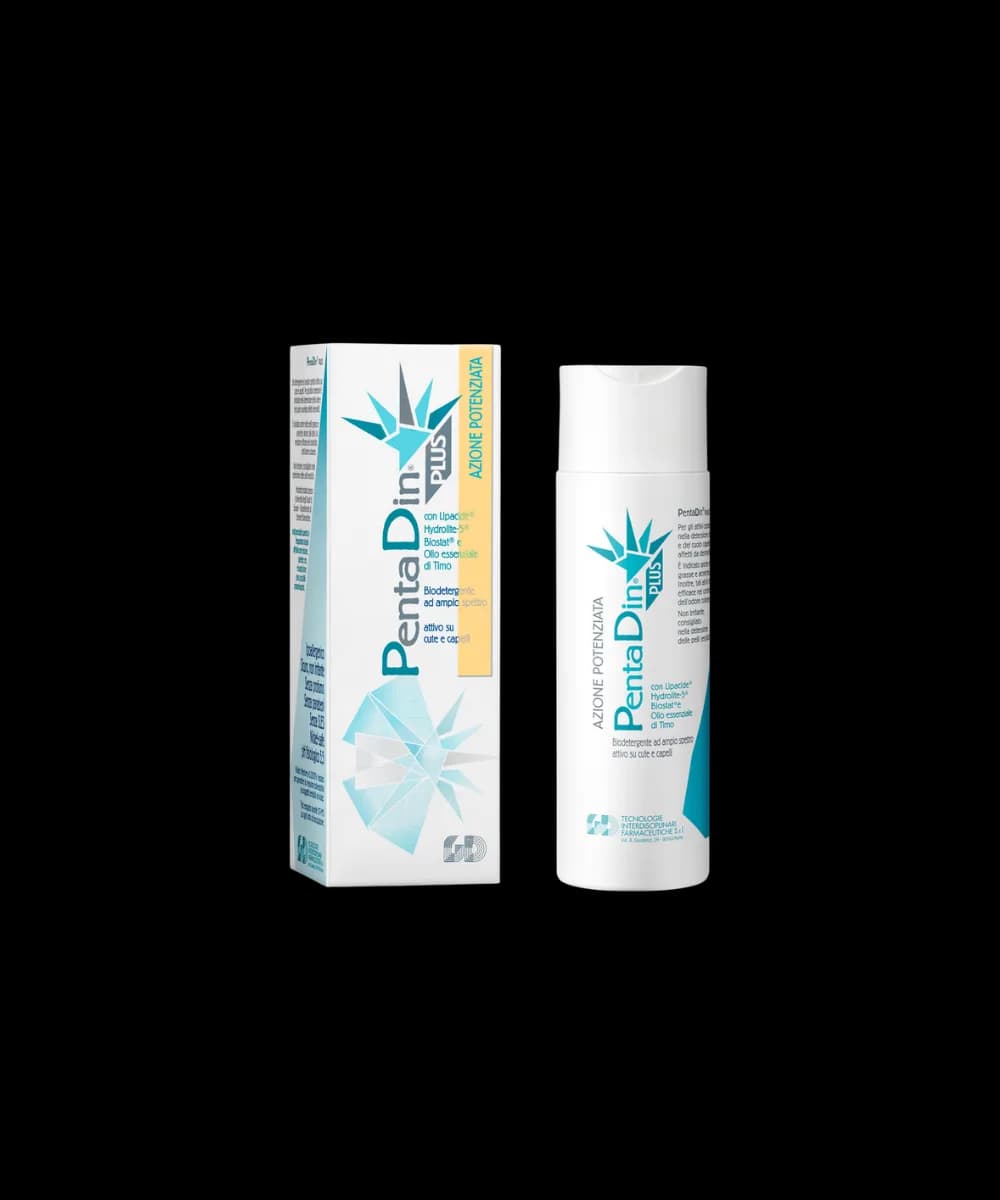
Since the changing room is one of the places where you are most likely to pick up fungal and viral infections, as a further precaution when you step under the shower to wash off sweat, we recommend using Pentadin Plus, our broad-spectrum biocleanser with antifungal and antimicrobial action, which can inhibit the proliferation of germs and bacteria and is particularly suitable if you spend time in places where contamination is easy, such as gyms, swimming pools and public transport.
After a quick shower, don't forget to dry yourself thoroughly. Moisture lingering on the skin increases the risk of bacterial proliferation.
At this point, you can finally get dressed, putting on clean clothes and shoes other than the trainers you wore during your workout. Changing your footwear is a good way to avoid bringing pathogens home with you
Your gym bag, with its damp bathrobe, dirty towel and sweaty clothes, is another small ecosystem in which germs and bacteria grow and multiply. For this reason, once you are home from your workout, it is good practice to empty the bag and put the contents in the washing machine. For greater hygienic safety, in addition to detergent, it is a good idea to use a disinfectant product such as our Nevoxil, a detergent that releases nascent oxygen and sanitises clothes, acting against spores, fungi, cocci and bacteria.
Please note
Information provided for informational purposes only, which cannot constitute a diagnosis, the prescription of a treatment, or a substitute for direct contact with a doctor or a specialist consultation. Always seek the advice of your own doctor and/or specialists.
For any reports or complaints, please contact the owner of this website at gdtif@gditalia.biz