
The effects of stress on the skin
The effects of stress on the skin
Stress is considered one of the ills of our century, an invisible enemy that can jeopardise our physical, emotional and mental wellbeing.
Difficulties at work, daily pressures and family worries are just some of the main causes of tension which, if not properly managed, can have serious repercussions on our general health.
When stress becomes chronic, in fact, our body starts to respond in visible ways, giving rise to symptoms of various kinds that can affect different areas of the body.
One of the target organs of stress is the skin, which often becomes a mirror of our emotional and mental state.
What happens deep down shows on the surface through visible signs: redness, irritation, rashes and the worsening of pre-existing problems such as acne, eczema or psoriasis are often the effect of excessive stress.
But how does stress affect the skin?
What are the skin manifestations linked to stress?
And above all, how can we relieve the skin discomfort linked to the frenzy of daily life?
What stress is and how it works
Stress is a natural response of the body to situations perceived as threatening, a defence mechanism that allows us to react and adapt to the various situations we face.
How?
When we face a situation that we interpret as potentially dangerous (for example an imminent work deadline, an important exam or a heated argument), our body reacts by activating an ancient biological response: the "fight or flight" mechanism.
This reaction, designed to deal with real physical threats, also occurs in response to psychological or emotional stress. The brain perceives danger and starts a series of physiological changes to prepare us to respond.
This process begins with the release of cortisol, the so-called "stress hormone", and other chemicals that set off chain reactions, such as an increased heart rate, faster breathing and the temporary suspension of non-essential functions such as digestion or cell regeneration.
Once the stressful stimulus has passed, the system should return to a state of balance, restoring the body's normal functions.
But what happens if this does not happen?
How stress affects the skin. The main "symptoms"
When we do not have time to "recover", overwhelmed by a life that asks us to do more and never stop, stress can easily become chronic, dragging on over time.
At this point, our body enters a state of constant alert.
It is as if there were always an emergency warning light on, stopping us from relaxing completely.
The skin is among the first to feel the effects of high levels of cortisol in the blood.
Among the most common effects that stress can have on the skin are:
- Increased sebum production;
- Skin inflammation;
- Premature ageing;
- Dehydration
How does stress show on the skin? Stress and acne
The high cortisol levels linked to chronic stress can have a significant impact on the skin of people with acne. This hormone, in fact, stimulates the sebaceous glands to produce more sebum than necessary.
Excess sebum can clog pores, creating ideal conditions for the formation of blackheads, spots and other skin imperfections.
The most affected areas are often the face, back and chest, where the sebaceous glands are most active.
In addition, stress can affect the immune system, weakening the skin's ability to heal and regenerate, slowing the healing of spots and leading to more visible scars in the long term.
This situation can create a vicious circle, in which stress causes or aggravates pre-existing acne, which in turn becomes an additional source of stress, able to further worsen the condition of the skin.
How does stress show on the skin? Stress, dermatitis and psoriasis
Cortisol also acts on the skin barrier, which is altered and weakened as a result. This makes the skin more delicate and reactive, vulnerable to external agents such as pollution, harsh cleansers, heat, cold and so on, which can trigger or worsen inflammatory conditions such as atopic dermatitis and psoriasis.
Stress is one of the main risk factors for atopic dermatitis, characterised by inflammation, skin irritation and intense itching, symptoms that can intensify during periods of high emotional tension.
The symptoms of atopic dermatitis tend to intensify during periods of high emotional tension, making the skin even redder and more sensitive.
Even psoriasis, an autoimmune disease that causes thick, flaking scales on the skin, can worsen with chronic stress.
Increased cortisol is in fact associated with heightened inflammation, which can lead to new psoriatic flare-ups, intensifying the person's discomfort and worsening the appearance of the skin.
How does stress show on the skin? Stress and premature ageing
Chronic stress reduces collagen production (collagen being the structural protein of our skin) and slows down the process of cell regeneration. This leads to less elastic skin, more prone to wrinkles and other signs of ageing. This effect is particularly visible in the most sensitive areas, such as the eye contour and the neck, where fine lines form more easily.
How stress shows on the skin. Stress and dry skin
Excess cortisol due to stress reduces the skin's ability to retain water and maintain its natural hydration. This leads to dryness and greater susceptibility to chapping and irritation.
Dry skin, or xerosis, is not just a cosmetic problem.
Dry skin is also more vulnerable to external agents such as pollution, extreme temperatures and harsh products, which can lead to other skin problems, such as dermatitis.
Preventing the effects of stress on the skin
It is not possible to erase stress from our lives.
But we can adopt some strategies to minimise its effects on our general health and on our skin.
The key to preventing the damage caused by stress is not to suppress it, but to learn to manage it.
How?
First of all, you can try introducing some relaxation exercises and deep breathing into your daily routine. These are simple practices that do not take much time or excessive effort, but can be very effective in reducing tension and helping to release built-up stress.
Physical exercise is an excellent ally against stress.
Walking, jogging, swimming or playing sport will help you clear your mind and stimulate the production of endorphins, the happiness hormones, which counteract anxiety and improve blood circulation, with positive effects on the skin too.
Good-quality sleep also plays a key role in managing stress. Restorative rest helps reduce cortisol levels and allows the skin to regenerate during the night.
Of course, if you already have skin problems (whether or not they are related to stress), it is important to include targeted skincare in your daily routine
Before using any product, always consult your trusted dermatologist, who will be able to recommend the most suitable treatment for the specific skin condition you have.
For oily and/or acne-prone skin, we suggest two products:
- Rebioger Cleanser, highly effective for cleansing blemished, oily and acne-prone skin, with specific active ingredients for deep yet gentle skin hygiene. Thanks to its formulation, Rebioger Cleanser removes dead cells and toxins, dirt residue and traces of make-up, letting your skin breathe without affecting its hydrolipidic film and without dehydrating it.
- Plenum Supplement,
Why can a probiotic supplement help you against spots, blackheads and pustules? Because intestinal dysbiosis (an alteration in the composition of the microbiota) promotes systemic inflammation, which is one of the triggers of acne.
For dry skin (xerosis) or atopic dermatitis, on the other hand, you can try the products in our AVEC line, specifically designed to take gentle care of dry, sensitive and easily irritated skin, which needs extra attention. Among them you will find:
- Avec Cleansing Mousse for face and body, a light mousse with an emollient, moisturising and redness-reducing action, ideal for cleansing sensitive and delicate skin;
- Avec Cream, soothing and decongestant, to be applied to calm irritation and inflammation, reduce redness and restore the correct level of hydration to altered skin.
- Avec Fluid Emulsion, suitable for treating large areas of skin as an alternative to corticosteroids;
- Avec Supplement, based on:
• Ceramosides from Triticum aestivum
• Hyaluronic acid 50 kDa (low molecular weight)
• Viola tricolor, which helps improve the body's purifying functions and supports skin wellbeing
• Perilla and ashwagandha, which improve the body's natural defences
Ashwagandha also promotes relaxation and mental wellbeing
• Vitamin A, biotin and zinc contribute to the maintenance of normal skin
• Vitamin D, copper, vitamin A and zinc contribute to the normal function of the immune system
Copper also contributes to the maintenance of normal connective tissues
For psoriasis and other chronic skin conditions, in addition to the products in the Avec line, you can ask your doctor or trusted pharmacist whether Rebioger Q10 tablets, a food supplement, could help you.
For premature skin ageing, on the other hand, we suggest using Agedin Bioregenerating Cream in combination with Agedin Hydro-Tensing Serum, an intensive anti-ageing treatment whose great effectiveness is based on hyaluronic acid microspheres.
To effectively protect your skin from the harmful effects of stress, we also recommend daily application of TANNISOL SPF25 URBAN PROTECTION, our innovative anti-ageing product for complete year-round photoprotection, formulated with special antioxidant ingredients that counteract free radical attack.
Warning:
Information provided for informational purposes only, which cannot constitute a diagnosis or the prescription of a treatment, or replace a direct relationship with your doctor or a specialist consultation. You are always advised to seek the opinion of your doctor and/or specialists.
For any reports or complaints, please contact the owner of this website at gdtif@gditalia.biz
RECOMMENDED PRODUCTS
Stay updated
Recommended products
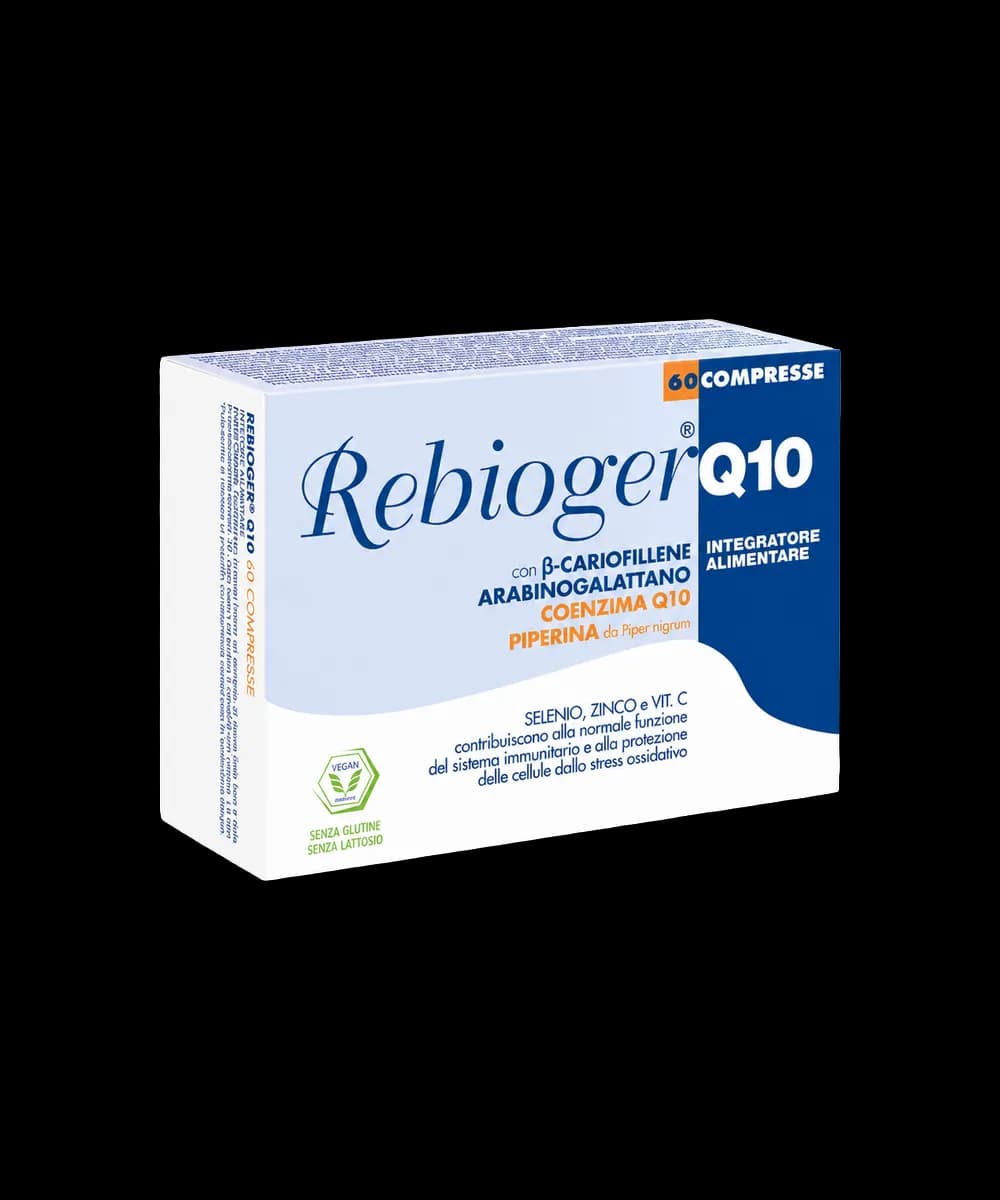
REBIOGER Q10 TABLETS
Rebioger Q10 Tablets is the two-colour food supplement of the GD anti-ageing line, formulated with a synergy of plant-based actives, vitamins and minerals selected to support the body's defences and counteract the signs of time. Its innovative double-tablet formulation, red in the morning and green in the evening, is designed to support the natural immune defences, protect cells from oxidative stress and support the trophism of the skin and hair.
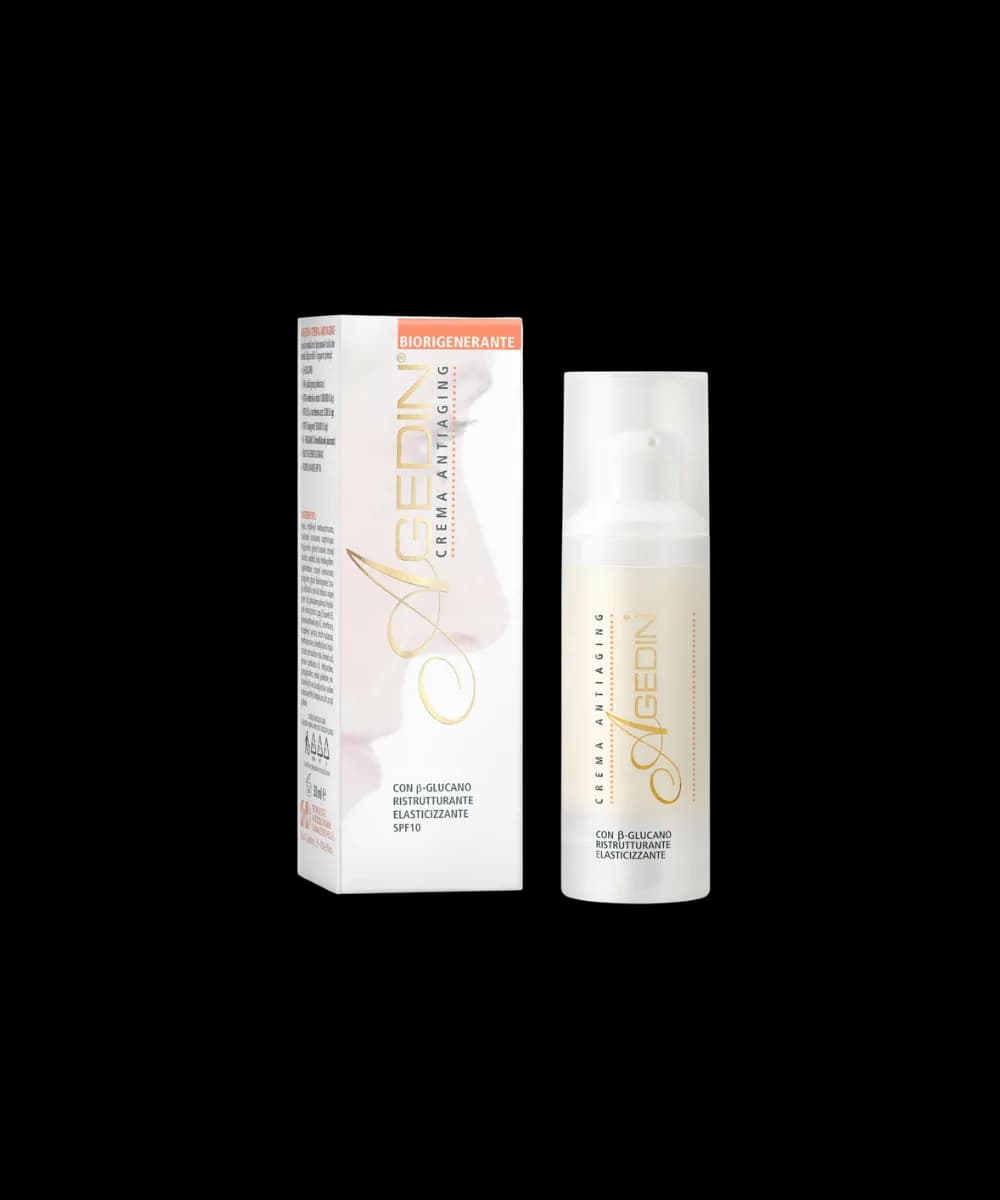
AGEDIN CREAM
Agedin Anti-Ageing Cream is our special anti-ageing, restructuring and elasticising cream. A true elixir of beauty and health for the skin. Its formulation is enriched with beta-glucan, a natural compound with immunostimulating properties, able to increase the skin's defences and its resistance to the effect of free radicals, which are responsible for premature skin ageing. The synergy between the different active ingredients gives Agedin Cream a high bioregenerating power