Living with psoriasis
Psoriasis is a chronic skin condition that causes physical and emotional discomfort. Discover the GD products designed to relieve itching and discomfort.
Living with a chronic skin condition such as psoriasis is far from easy. Many patients who have it feel embarrassed and deeply uncomfortable about their condition, and these negative emotions strongly affect their relationships.
According to a survey carried out by German researchers at the Technical University of Munich, as many as 77% of people with psoriasis experience anxiety disorders. Several scientific studies had already found that those who have to deal with this skin disease are more likely to experience stress, anxiety, depression and sleep disorders.
Psoriasis has a heavy impact on the mind, because it changes body perception, the image we have of ourselves. The sense of shame about the disease and the stigma lead people with psoriasis to be afraid of showing themselves to others, for fear of disgust and rejection. As a result they tend to isolate themselves, avoiding meetings, social and work occasions and socialising. Sometimes, because of the discouragement caused by relapses and the poor results obtained with treatments, people with psoriasis end up neglecting the disease and stopping treatments that could bring many benefits.
Recently the subject was also addressed in a short film directed by Paolo Santamaria and produced by the Centro Sperimentale di Cinematografia in Rome. It is called "Da Capo" and uses the evocative language of metaphor to tell the experience of those living with psoriasis.
That is why we at GD believe it is necessary to provide accurate information about this skin disease, its causes and possible treatments.
Symptoms and characteristics of psoriasis
Psoriasis usually appears as red patches or plaques, with clearly defined edges and covered with whitish scales, located in certain specific areas of the body such as the elbows, knees, hands, feet, the lumbosacral area of the back and the scalp. The skin looks dry and tends to crack and bleed. In some cases these lesions can cause discomfort and itching.
Symptoms can vary from person to person, also depending on the severity of the disease.
It is a very complex chronic disease with a multifactorial origin. This means that psoriasis cannot be attributed to a single cause. The condition results from the interaction between inherited genetic factors and environmental factors. It can appear at any time of life and take different forms. There are, in fact, several types: chronic plaque psoriasis, guttate psoriasis, inverse psoriasis, psoriatic erythroderma, psoriatic arthritis.
The course of psoriasis is cyclical, irregular and unpredictable. The disease progresses almost in fits and starts. This means that, in some phases, the symptoms can ease until they disappear completely, so that the patient no longer feels any discomfort or itching. Then, however, after a while, the disease returns, even worse than before. Relapses, unfortunately, are frequent.
It should be stressed that psoriasis is not a contagious disease. Coming into contact with a person who has it, therefore, carries no risk of transmission.
It is a fairly common condition. It is estimated that around 2.5 million people in Italy have it. The incidence is the same in men and women: there is no gender-related difference.
Causes and risk factors of psoriasis
Genetic predisposition
As highlighted above, psoriasis is triggered by different, concurrent causes. There are several risk factors behind this disease.
A first element is the individual's genetic predisposition. In 20% of cases, patients with psoriasis report having relatives with a similar clinical history, affected by the same condition. Consider that in the case of identical twins, who share the same genetic make-up and have the same physical characteristics, psoriasis affects both siblings in 65-70% of the cases examined.
It is estimated that people with a genetic predisposition are 10 times more likely than the rest of the population to develop this condition.
Worldwide, a few years ago a major study was launched to create a genetic map of psoriasis and identify the mutations linked to the disease. In Italy, an important contribution came from researchers at the University of Tor Vergata, coordinated by Professor Giuseppe Novelli, who highlighted the dual nature of the disease, immune and epidermal.
Environmental factors
The environment we live in also seems to have an important influence on the onset of psoriasis. A cold, damp climate appears to have a pro-inflammatory effect. Conversely, a mild climate and sunlight seem to have the opposite effect. This would explain why psoriasis is more widespread in the countries of northern Europe and in northern Italy, where temperatures are lower.
Exposing skin affected by psoriasis to the sun can be very beneficial. It is even estimated that 80% of patients benefit greatly from ultraviolet rays, which can stimulate the synthesis of vitamin D, which has an anti-psoriatic action. The rate of cell growth slows down and, at the same time, inflammation is switched off. However, as dermatologists point out, heliotherapy or phototherapy (treatment with sunlight) is not suitable for all forms of psoriasis and in some cases can make the situation worse.
Diet, smoking and alcohol
As with many diseases, lifestyle can also play a part, causing symptoms to worsen. A poor, unbalanced diet, excessive alcohol and smoking, and obesity are linked to a higher incidence of the disease and can also make psoriasis harder to treat. In particular, it has been shown that obesity can reduce the therapeutic effectiveness of certain drugs.
Taking medicines
Studies have shown that some drugs prescribed for other conditions can trigger psoriasis. These are, in particular, lithium-based drugs (antidepressants), beta blockers (used as antihypertensives), antimalarial drugs, indometacin, salicylates and iodine compounds.
In addition, systemic steroids can trigger an acute psoriatic eruption when they are stopped or when the dosage is reduced.
Hormonal factors and metabolic changes
The hormonal imbalances associated with certain stages of life (think of puberty or the menopause in women) seem to be correlated with the disease, which sometimes appears or worsens precisely during these periods, when the individual's biological balance undergoes profound changes.
In several cases, changes in certain metabolic processes can also cause the disease to appear. In particular, hypocalcaemia, that is, a lack of calcium in the blood (caused by a diet low in this mineral but also by other situations such as dialysis), is often a factor that makes psoriasis worse.
Stress and emotional factors
Although it is a skin disease, when it comes to psoriasis the psychological side of the issue should never be overlooked. For those who are predisposed, any emotionally stressful event can worsen symptoms or make them appear.
Physical trauma
People predisposed to psoriasis must also pay attention to any trauma to their skin, whether physical, mechanical, chemical or of another kind. These skin injuries are in fact responsible for the so-called Koebner phenomenon, that is, the appearance of psoriatic patches, even one or two weeks later, exactly at the site of the earlier event. Below is a short list of traumas that can trigger this type of reaction:
- Abrasions
- Accidental knocks
- Scratching
- Injections
- Surgical scars
- Insect bites
- Tattoos
- Contact with irritating chemicals
- Exposure to low temperatures
- Burns
How to treat psoriasis
Given the many possible manifestations and the complexity of the disease, there is currently no universal cure for psoriasis. Each case is treated individually, according to the needs and clinical history of the person affected. The aim is to act quickly on the lesions, keep the disease and its symptoms under control and, at the same time, relieve the emotional suffering it brings.
Dedicated treatments fall into four main areas:
- Topical therapies
- Traditional oral systemic therapies
- Biological therapies
- Phototherapy: treatment with ultraviolet rays
Usually topical drugs, that is, those applied directly to the skin, are used for mild to moderate forms of the disease. They come in various formulations: gels, creams, lotions, ointments and mousses. Timing and method of application are set by the dermatologist treating the patient. Adherence to treatment and consistency are essential, which is why it is important for treatment to take place under strict medical supervision.
The use of home remedies and self-treatment is strongly discouraged.
For more severe forms of psoriasis, systemic therapies can be used, which involve taking certain drugs by mouth, either traditional or biological.
Another very common remedy for psoriasis is phototherapy, which involves exposing the patient to ultraviolet rays. The UV rays are produced artificially using special equipment.
Living with the disease can be difficult, partly because of the many physical discomforts it causes, such as itching, flaking, redness and burning. That is why GD has developed a line of products which, acting together, are a valuable aid against the main complaints caused by the disease.
Specifically, we are talking about the products in the AVEC line, for dry and atopic skin:
Avec Soothing Decongestant Cream, suitable for skin suffering from chronic irritation such as psoriasis. It soothes redness and gives relief immediately after application;
Avec Cleansing Mousse, which cleanses extremely gently, with no fear of irritation;
Avec Emulsion, specifically for dry and dehydrated skin, with a soothing, emollient and anti-inflammatory action; it relieves itching, calms redness and protects against irritating stimuli.
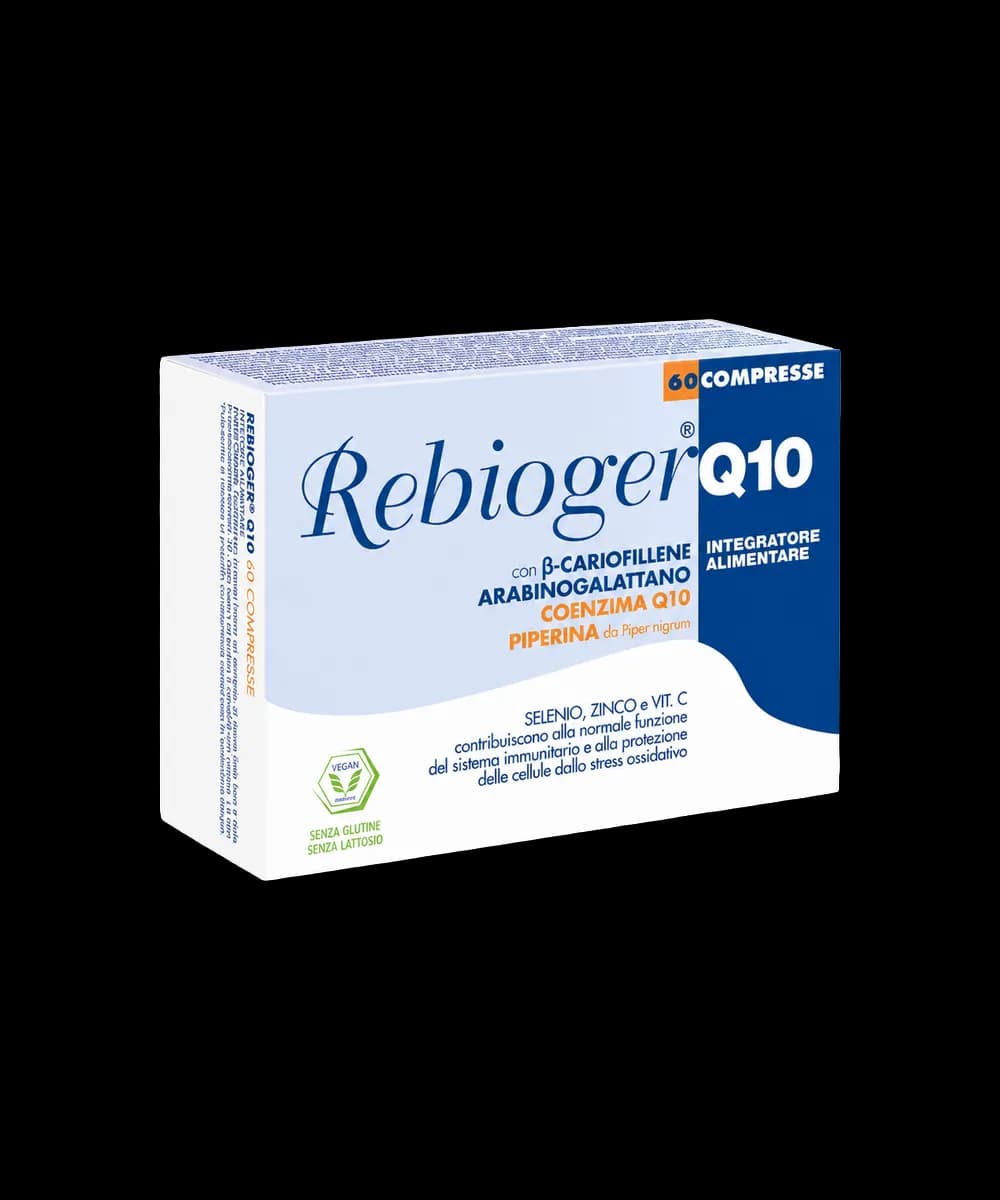
These products can be combined with Rebioger Q10 tablets, a food supplement.
REBIOGER Q10 contains:
• Coenzyme Q10 and hesperidin
• β-caryophyllene from cloves and black pepper, antioxidants
• Arabinogalactan from larch extract
• Echinacea, which supports the body's natural defences
• ω 6 unsaturated fatty acids from borage oil, which support the integrity and function of cell membranes and skin trophism
• Vitamins C, B6, D2, selenium and zinc, which contribute to the normal function of the immune system
◦ Vitamins C and E, which contribute to the protection of cells from oxidative stress
Vitamin C also contributes to normal collagen formation for the normal function of skin and bones
• Magnesium, pantothenic acid (Vit. B5) and niacin (Vit. PP): contribute to the reduction of tiredness and fatigue:
• Biotin and zinc: contribute to the maintenance of normal skin and hair
• Vit. D2: contributes to the maintenance of normal bones
Finally, for scalp affected by psoriasis, we recommend using Tricodin Shampoo with vegetable tar from pine, which strongly counteracts flaking and soothes irritation.
Warning:
Information provided for informational purposes only, which cannot constitute a diagnosis or the prescription of a treatment, or replace a direct relationship with your doctor or a specialist consultation. You are always advised to seek the opinion of your doctor and/or specialists.
For any reports or complaints, please contact the owner of this website at gdtif@gditalia.biz