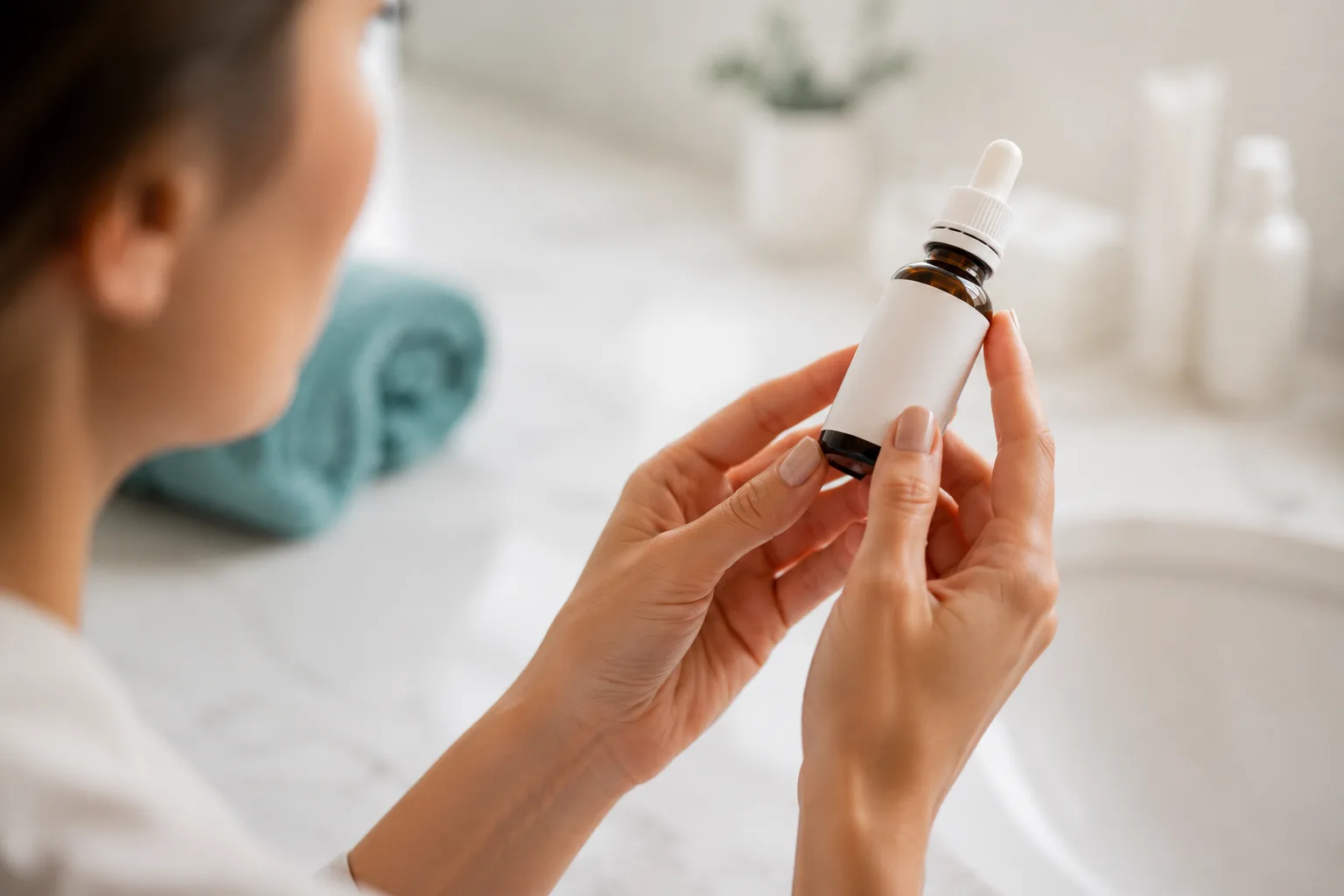
Ingredients to avoid if you have sensitive skin
Alcohol, fragrances, harsh surfactants: learn to read the INCI list and protect your sensitive skin.
Burning, redness, itching as soon as you apply a new product: if your skin reacts like this more often than you would like, it probably falls into the sensitive skin category. And for this type of skin, knowing what to avoid is just as important as knowing what to use.
What "sensitive skin" really means
Sensitive skin is skin with a less efficient skin barrier, more reactive to external stimuli that would go unnoticed on other skin types: extreme temperatures, wind, certain cosmetic ingredients, even very hard water. It is not a medical diagnosis in the strict sense, but a recognised and very common condition that affects millions of people.
The most common ingredients to avoid
Some ingredients, although perfectly legal and safe for most skin types, are statistically more associated with irritation or sensitization reactions in more reactive skin.
- Denatured alcohol (alcohol denat.) in high percentages, which can dry out and weaken the skin barrier
- Fragrance (parfum/fragrance), one of the leading causes of contact dermatitis
- Concentrated essential oils, even when perceived as "natural" and therefore gentle
- Aggressive surfactants such as sodium lauryl sulfate (SLS), which can dry out the skin
- Certain preservatives, such as methylisothiazolinone, known for their sensitizing potential
- Menthol and eucalyptol in high concentrations, which give a sensation of freshness but can irritate
How to read the INCI list
INCI (International Nomenclature of Cosmetic Ingredients) is the list of ingredients that must appear on every cosmetic product, in decreasing order of concentration. This means that the first ingredients on the list are those present in the largest quantity, while the last — often preservatives, fragrances or colourants — are generally present only in traces.
Learning to recognise the technical names of the main allergens and potentially irritating ingredients allows you to make more informed choices, without having to memorise endless lists: just a few key names to watch out for are enough.
What to look for instead
- Fragrance-free formulas or formulas with a very low allergenic potential
- Ceramides, which help strengthen the skin barrier
- Niacinamide at low concentrations, generally well tolerated
- Allantoin and Centella asiatica, known for their soothing action
- Formulations tested for skin tolerability and with a low nickel content
A small test before using a new product
Before applying a new product to the whole face, it is good practice to carry out a small test on a limited area of skin, for example the inner elbow or behind the ear, and to wait 24-48 hours to check that no redness, itching or burning appears.
Conclusion
Caring for sensitive skin does not mean giving up skincare, but choosing it more carefully. Learning to read the INCI and to recognize the riskiest ingredients is the first step towards building a routine that your skin can genuinely tolerate well. If skin reactions are frequent or particularly intense, a dermatologist or an allergist can help you identify, including through specific tests, the substances to which your skin is most sensitive.